
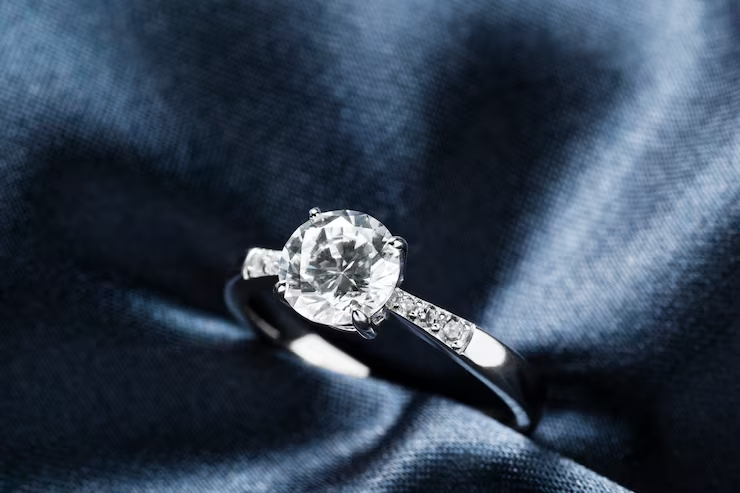
A Tradition That Keeps Reinventing Itself
Engagements remain one of those curious rituals that manage to stay deeply traditional while also absorbing the ever-changing standards and expectations of modern culture. The act of offering a ring has scarcely changed in a century, yet what that ring looks like, how it is chosen and even what it represents have evolved.
A generation ago, a proposal was often a surprise. The person proposing typically picked a ring alone, guided by instinct, a salesperson or the taste of a trusted sister or friend. Now many couples make the choice jointly, sometimes even designing the ring together. Instead of feeling less romantic, it can feel more collaborative, like building something that belongs to both people.
In tandem with this shift, design has become a conversation. It is not unusual to see modern engagement rings crafted in the UK that blend heritage techniques with a distinctly contemporary eye. There is a sense that tradition is respected, although no one is bound to follow it strictly.
What Makes a Ring Feel Modern
The word modern gets thrown around easily, though in jewellery it can mean several things. Sometimes it describes the silhouette of the ring. A thin minimalist band with a quietly perched stone feels current. So does a geometric setting that plays with angles. Other times modern refers to the ethos behind a piece. Rings that consider lifecycle, origin of materials or craftsmanship speak to values that matter to today’s couples.
Minimalism has been particularly influential. After decades of halos and ornate settings, many people gravitate toward cleaner lines. An unadorned solitaire can feel surprisingly fresh when paired with an elongated oval or emerald cut stone. The elegance lies in restraint rather than embellishment.
There is also experimentation with asymmetry. Designs that once would have been dismissed as too unconventional now feel expressive. A pear shaped stone tilted slightly to one side or a cluster of tiny diamonds arranged like a constellation offer a different kind of romance. It is less about perfection and more about personality.
Metalwork and Mood
The metal choice is a quiet but powerful determinant of style. Yellow gold continues to have a nostalgic pull. It warms the skin and has an old world richness. White gold and platinum offer a cooler, sleeker look that pairs neatly with geometric cuts. Then there is rose gold, which still carries a rosy glow that feels both vintage and youthful.
The band profile also matters. A rounded band looks classic. A flat band has a slightly industrial character. Knife edge bands add a gentle ridge that catches light in unexpected ways. These details may seem minor, yet they influence how the final ring reads. Jewellery at this scale rewards close attention.
Stones, Shapes and the Charm of Choice
The center stone is usually where the eye lands first, but there is more going on than sparkle. Round brilliant cuts remain the most popular because their faceting optimizes light return, giving that signature flash. Ovals have gained ground for their elongating effect on the hand and for the gentle softness they add to an otherwise simple band.
Emerald cuts have a distinctly architectural quality. Instead of glittering with small bursts of light, they deliver broad flashes that look almost like reflections on glass. For the wearer who appreciates clean lines or mid century design, this cut resonates strongly.
Fancy shapes like marquise or pear are harder to categorize. They can look dramatically vintage or entirely contemporary depending on the setting. That flexibility is part of their charm.
Influence of Craft and Place
Jewellery is never made in a vacuum. It reflects the sensibilities of the place where it is crafted. In the UK, design culture often blends refinement with understatement. Rings made in British studios tend to avoid showiness in favor of thoughtful details. This is not to say they lack sparkle. They simply achieve it without shouting.
British design also benefits from a long goldsmithing history. Techniques that date back centuries are still used in modern workshops. The continuity makes contemporary pieces feel rooted rather than trend driven. Even when a ring is thoroughly modern in silhouette, its craftsmanship connects it to a lineage.
Hearing goldsmiths talk about their work can be surprising. Many describe themselves less as artists and more as problem solvers. Setting stones securely without compromising beauty is a small engineering puzzle. Polishing a band so it feels comfortable for everyday wear requires patience. The final object looks effortless but rarely is.
Personal Rituals and Decision Making
One of the more interesting aspects of modern engagements is how informal the research phase has become. Couples scroll through images while sitting on a sofa. They notice stone shapes worn by characters in films. They send screenshots to each other with short comments like “something like this” or “not quite but close.”
This gentle investigation often goes on for months before anyone seriously visits a jeweller. It allows preferences to settle naturally. Some discover that they prefer elongated stones without having the vocabulary for it at first. Others realize that they gravitate toward vintage inspired settings that feel slightly romantic without being ornate.
There is a misconception that people selecting rings are always decisive. In reality it can feel intimidating. A proposal ring is not simply another item in a wardrobe. It marks the beginning of a shared life. That weight makes hesitation normal.
The Proposal Itself
Despite all this preparation, proposals rarely unfold exactly as imagined. Weather changes, restaurant bookings fall through, nerves derail speeches that sounded eloquent in rehearsal. Yet these imperfections often make the memory more vivid.
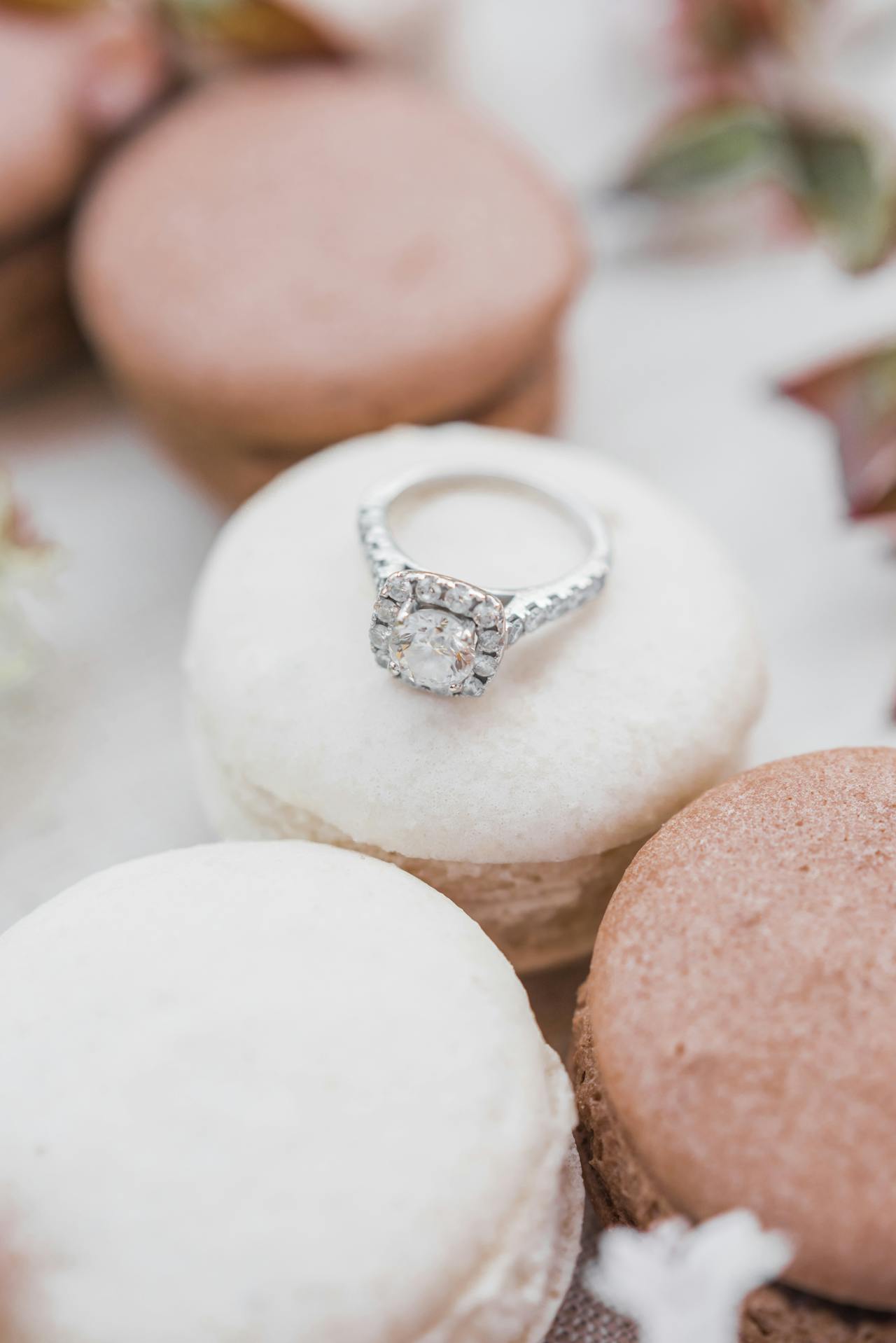
The ring becomes part of the proposal story. Its box might have been stuffed awkwardly in a coat pocket or hidden under a napkin. There is usually a brief moment where the recipient cannot quite believe what they are seeing. Light catches the stone. Words rush out, sometimes out of order. Then everything settles into relief and happiness.
Living With the Ring
Once the excitement of the proposal has passed, the ring becomes a companion piece. It is worn while cooking, typing, commuting and doing laundry. Small scratches accumulate. The band develops a patina that softens the metal. Stones remain bright, but the ring becomes less pristine and more personal.
Some people later choose wedding bands that sit flush against the engagement ring. Others wear the engagement ring alone. A few place it in a box on certain days for safekeeping. There is no script for how to live with a ring, only the way that feels natural.
Why Design Still Matters
With so much choice available, it is reasonable to ask why design continues to matter so much. The answer may be that an engagement ring is not simply ornamental. It is symbolic, and symbolism benefits from specificity. The ring becomes shorthand for commitment, shared plans and affection. Its design allows that symbolism to carry a bit of the wearer’s identity.
This is perhaps why the modern era of engagement rings feels so textured. Values, aesthetics and individuality inform the object without stripping it of its traditional meaning. Rings today can be minimalist, vintage leaning, gender neutral or heirloom inspired. They can carry ethical considerations or simply delight the eye. The point is that the world of engagement jewellery has widened rather than narrowed.
Engagements are still about promise. What has changed is the medium through which that promise is expressed. The ring remains a small object, but its capacity for nuance has grown. Couples no longer feel compelled to choose what their parents chose. They choose what feels like them. That shift is subtle, yet it says quite a lot about how relationships and rituals continue to evolve.

