
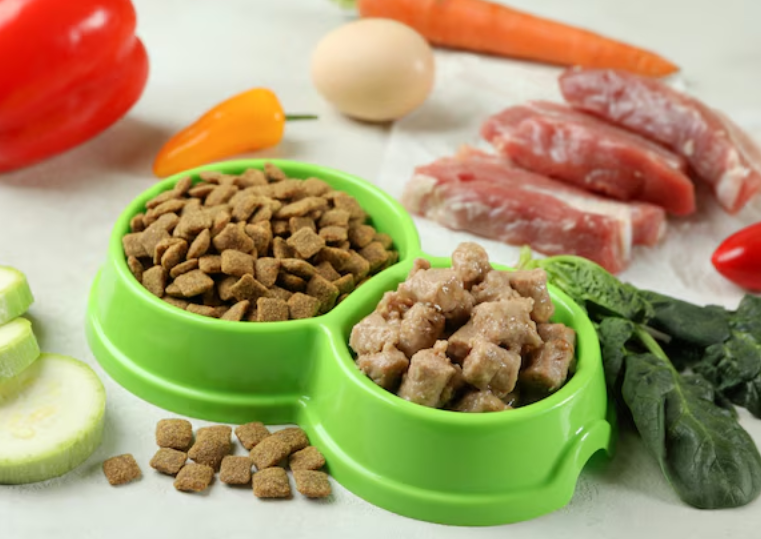
Reading a dog food label can feel confusing, even for experienced pet parents. Long ingredient lists, unfamiliar terms, and bold marketing claims often make it hard to know what actually matters.
By the time most people reach this stage, they already understand that nutrition impacts their dog’s health; they’re just trying to separate helpful information from noise.
Why Ingredients Matter More Than Marketing Claims
Front-of-bag labels are designed to catch attention, not educate. Terms like “premium,” “natural,” or “holistic” don’t always reflect ingredient quality. Looking closely at the ingredient list gives you a clearer picture of how the food may support digestion, energy, and long-term wellness.
When comparing different options for dog food, understanding ingredients helps you make thoughtful choices instead of relying on trends or assumptions.
8 Dog Food Ingredients to Look For
These ingredients are commonly associated with better digestibility, nutritional balance, and overall support for a dog’s health.
1. Named Animal Protein Sources
Look for clearly identified proteins such as chicken, turkey, beef, lamb, or fish. Named proteins indicate transparency and help ensure your dog gets essential amino acids.
Protein supports muscle maintenance, immune health, and energy, making it one of the most important components of a balanced diet.
2. Whole Carbohydrate Sources
Ingredients like brown rice, oats, sweet potatoes, or barley provide slow-release energy and fibre. Whole carbs are easier to digest and more nutritious than heavily processed fillers.
They also help support gut health when used in appropriate amounts.
3. Healthy Animal Fats
Chicken fat or salmon oil are examples of fats that contribute to skin health, coat shine, and nutrient absorption. Fats also enhance flavour, making food more appealing to dogs.
Omega-3 and Omega-6 fatty acids play a key role in joint and brain health as well.
4. Fish Oil or Omega-Rich Oils
Fish oil is often added for its anti-inflammatory properties. It supports joint mobility, cognitive health, and heart function, especially beneficial for aging or active dogs.
Consistent inclusion in food formulas can contribute to visible coat and skin improvements over time.
5. Natural Fibre Sources
Ingredients like pumpkin, chicory root, or beet pulp provide dietary fibre that aids digestion. Fibre helps regulate stool quality and supports a healthy gut microbiome.
This is particularly helpful for dogs with sensitive stomachs.
6. Fruits and Vegetables
Blueberries, carrots, spinach, and apples offer antioxidants and phytonutrients. While dogs don’t need large amounts of produce, small inclusions can support immune health and overall vitality.
These ingredients also add variety and natural micronutrients.
7. Probiotics and Prebiotics
Probiotics are beneficial bacteria that support digestive health, while prebiotics feed those bacteria. Together, they help improve nutrient absorption and gut balance.
They’re especially useful for dogs transitioning between foods.
8. Natural Preservatives
Ingredients such as mixed tocopherols (vitamin E) or rosemary extract help preserve freshness without relying on harsh chemicals.
Natural preservatives support food stability while aligning with cleaner ingredient standards.
5 Dog Food Ingredients to Avoid or Limit
Not all ingredients are harmful, but some offer little nutritional value or may cause issues for certain dogs.
1. Unnamed Meat By-Products
Vague terms like “meat meal” or “animal by-products” lack transparency. Without knowing the source, it’s difficult to assess quality or consistency.
Named meals are generally a better option.
2. Artificial Colours and Dyes
Dogs don’t care what colour their food is. Artificial dyes add no nutritional value and may contribute to sensitivities in some dogs.
Their presence often indicates unnecessary processing.
3. Excessive Fillers
Corn, wheat, or soy aren’t inherently bad, but when used as primary ingredients, they may crowd out higher-value nutrients.
For some dogs, these ingredients can contribute to digestive discomfort.
4. Added Sugars and Sweeteners
Ingredients like corn syrup or cane molasses are sometimes added for palatability. These sugars aren’t necessary and may contribute to weight gain or dental issues.
5. Artificial Preservatives
Chemical preservatives such as BHA, BHT, or ethoxyquin are increasingly avoided due to long-term health concerns. Many modern formulas now rely on natural alternatives instead.
How Ingredients Connect to Your Dog’s Lifestyle
Ingredient choices don’t exist in isolation. A dog’s age, activity level, and environment all influence what they need from food. Active dogs may benefit from higher protein and fat, while seniors often need joint-supporting nutrients.
Lifestyle considerations extend beyond nutrition as well. Comfort, warmth, and daily routines, often supported by thoughtfully designed products from brands like canada pooch play a role in overall wellbeing alongside diet.
What About Ingredients in Treats?
Treats are part of daily life for many dogs, but their ingredients matter just as much. Since treats are often given frequently, low-quality ingredients can add up over time.
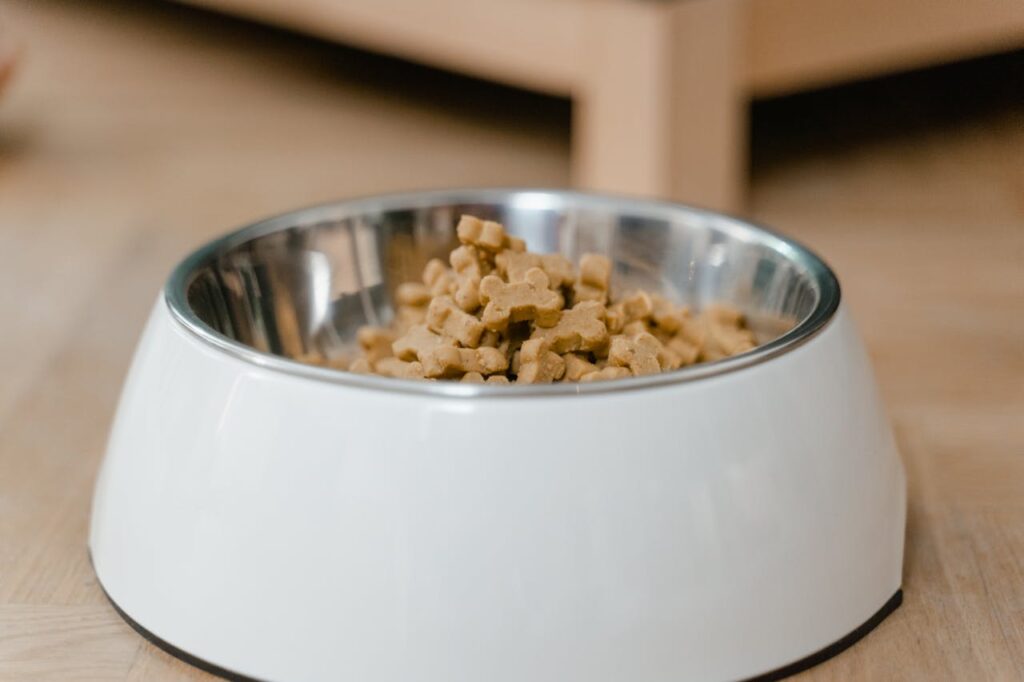
Choosing simple, recognizable ingredients in dog treats helps maintain consistency with your dog’s main diet and reduces the risk of digestive upset.
How to Use Ingredient Knowledge When Comparing Foods
Instead of searching for a “perfect” formula, focus on alignment:
- Does the protein source suit your dog?
- Are fats and carbs balanced for activity level?
- Are questionable ingredients minimal or absent?
Ingredient awareness empowers you to ask better questions and make confident comparisons without feeling overwhelmed.
Final Thoughts
Understanding dog food ingredients helps shift feeding decisions from guesswork to intention. By knowing what to look for and what to limit, you can better support digestion, energy, and long-term health.
At the MOFU stage, the goal isn’t to chase trends, but to build clarity. Thoughtful ingredient evaluation, combined with observation and consistency, goes a long way in helping dogs thrive.