
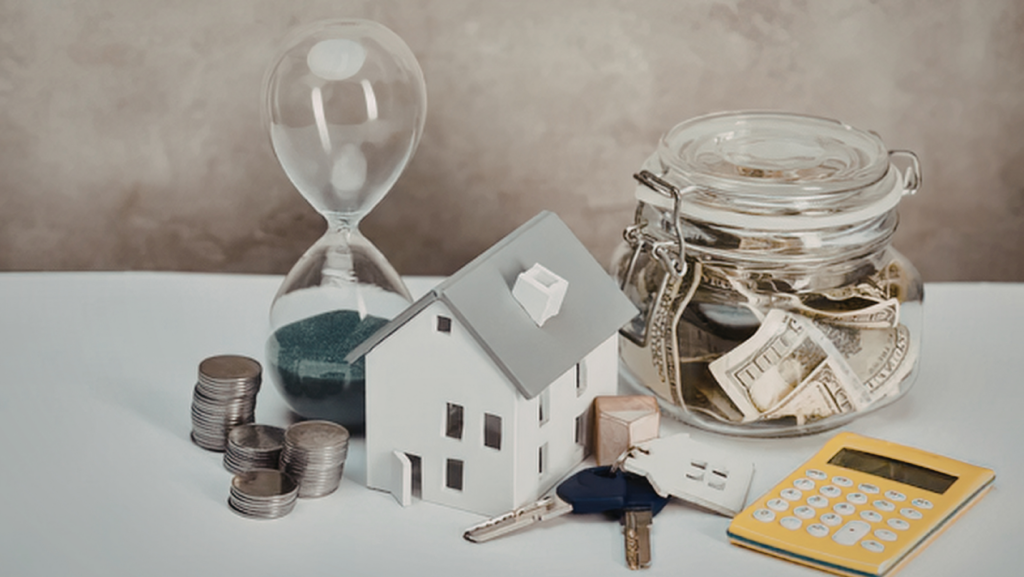
Homeownership is often associated with stability. Monthly payments build ownership over time, and property value gradually turns into equity. For many households, that equity represents one of their largest financial assets.
What homeowners do with that asset varies.
Some leave equity untouched until they sell. Others begin exploring ways to access it when financial needs change. A second mortgage is one option that allows homeowners to use existing equity without replacing their original mortgage.
For households facing rising expenses or planning major financial decisions, this option often enters the conversation sooner than expected.
Equity Builds Even When You Are Not Thinking About It
Every mortgage payment increases ownership slightly. Over years, that ownership becomes meaningful value tied directly to the home.
At the same time, property markets shift. In many cases, rising home values further expand available equity. The result is stored financial capacity that exists independently from savings or income.
A second mortgage allows homeowners to borrow against that accumulated value while continuing with their existing mortgage agreement.
The home remains yours. The original loan remains in place. Equity simply becomes accessible.
Why Homeowners Consider a Second Mortgage
Financial pressure rarely comes from a single event. It tends to build gradually through higher living costs, unexpected expenses, or long-term financial goals that require funding.
A second mortgage provides access to funds without forcing homeowners to refinance or sell their property.
Common reasons homeowners pursue this option include:
- Consolidating higher-interest debt
- Funding home improvements
- Covering education or family expenses
- Managing temporary financial gaps
- Supporting business or investment plans
The appeal lies in flexibility. Funds become available when needed while preserving homeownership.
How a Second Mortgage Works
A second mortgage functions exactly as its name suggests. It exists alongside the primary mortgage rather than replacing it.
The original mortgage remains first in repayment priority. The second mortgage sits behind it, which means lenders take on additional risk. Because of this, interest rates are typically higher than those attached to a first mortgage.
Even so, borrowing costs often remain lower than unsecured credit options such as credit cards or personal loans.
Understanding second mortgage rates today helps homeowners evaluate affordability before committing to additional borrowing tied to their property.
Rate awareness allows decisions to be made with clear expectations.
Access Without Restarting Your Mortgage
One reason homeowners choose second mortgages instead of refinancing is stability.
Refinancing replaces the existing mortgage entirely. This can reset repayment timelines or alter favorable loan terms secured years earlier. A second mortgage avoids that disruption.
Homeowners maintain their current mortgage while accessing equity separately.
This approach can be especially useful when the original mortgage carries competitive terms that borrowers prefer to keep intact.
The structure offers access without starting over.
Debt Consolidation as a Practical Use Case
Many households manage several financial obligations at once. Credit cards, lines of credit, and personal loans often carry higher interest rates that make repayment slower and more expensive.
A second mortgage can consolidate these balances into one structured payment.
Simplifying payments often improves financial organization. Instead of managing multiple due dates and fluctuating interest charges, homeowners move toward predictable repayment.
Reduced complexity frequently leads to stronger long-term financial habits.
Responsible Borrowing Still Matters
Because second mortgages are secured against the home, borrowing decisions require careful consideration.
Access to equity should support financial stability rather than short-term spending habits. Successful borrowers usually connect second mortgage funds to clear goals that improve their financial position.
Helpful guidelines include:
- Borrow only what serves a defined purpose
- Maintain consistent repayment plans
- Monitor interest rate changes
- Avoid long-term balances tied to temporary expenses
Equity represents years of financial progress. Protecting that progress remains important.
When Timing Makes Sense
There is rarely a perfect moment to access home equity. Market conditions change constantly, and waiting indefinitely can delay useful financial adjustments.
A second mortgage often becomes worth exploring when financial needs outweigh the benefits of maintaining unused equity.
Situations that commonly prompt review include:
- Increased household expenses
- Major renovation plans
- Career transitions
- Investment opportunities
- Unexpected financial obligations
Reviewing second mortgage rates today provides context for evaluating whether borrowing aligns with current financial conditions.
Decisions grounded in preparation tend to produce better outcomes.
Balancing Opportunity and Risk
Accessing equity introduces both opportunity and responsibility. While funds can improve financial flexibility, repayment obligations remain tied to the property.
Homeowners benefit from evaluating long-term affordability before proceeding. Stable income, realistic repayment expectations, and emergency savings all contribute to responsible borrowing.
Second mortgages work best as structured financial tools rather than quick solutions.
Planning reduces risk significantly.
Making Equity Work Without Selling Your Home
Selling a home is not always practical when financial needs arise. Location, family stability, and long-term ownership goals often make staying preferable.
A second mortgage offers an alternative path. Homeowners retain their property while using accumulated equity to support changing financial priorities.
When approached carefully, equity becomes active rather than dormant.
The purpose is not increasing debt unnecessarily. The purpose is allowing an existing asset to provide flexibility when life demands adjustment.
For many homeowners, accessing equity through a second mortgage turns ownership into something more functional. It becomes a resource that supports stability, planning, and forward movement without giving up the home itself.