
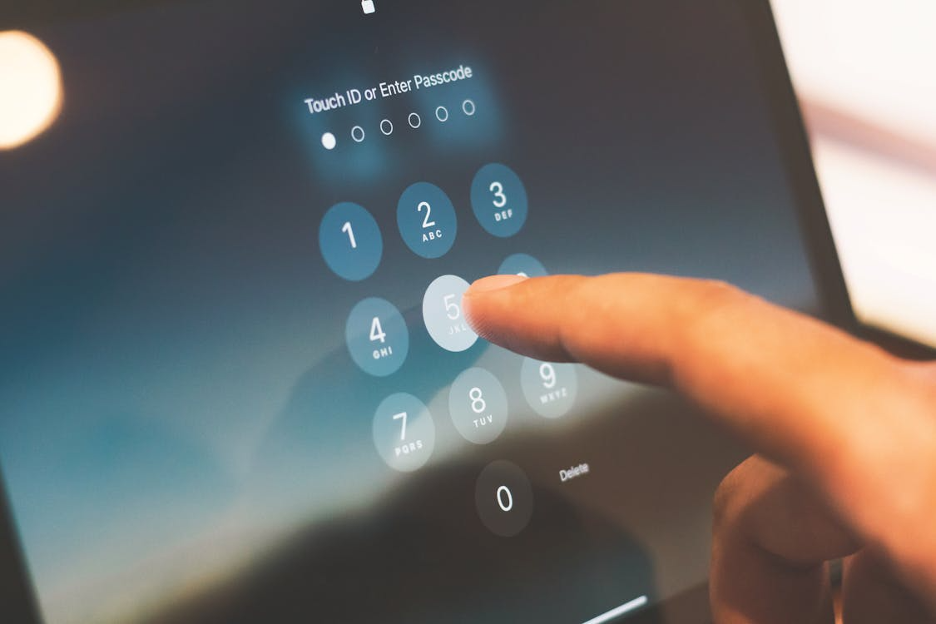
We live in a world where everything is "free," but let’s be real: nothing actually is. Every social feed, app, and "convenient" online tool is paid for with personal data.
For many, the digital footprint acts like a bottomless junk drawer. Newsletters, random one-time apps, and reused passwords clutter up the digital landscape. It creates a constant, low-level hum of anxiety. Everyone knows that sinking feeling when a news alert drops about a massive corporate data breach, the sudden, sharp drop in the stomach, wondering if personal info was caught in the middle of that mess.
Digital wellness isn’t about becoming a tech hermit, nor is it about living in a state of constant, sweaty-palmed paranoia. It’s about grabbing the keys back to one's own digital house. Getting ready to stop being a passive target and start being intentional is the first step to decluttering online life and, quite frankly, sleeping better at night.
1. The "Minimalist" Mindset: Stop Hoarding Accounts
Most of us treat apps and accounts like candy. If a site asks for an email, we fork it over. If an app wants a profile, we give it. But every single account you create is another potential "point of failure." It’s just another database where your name, email, or habits could be exposed.
My new golden rule? Don't create an account unless you absolutely, positively need it. If a website offers a "guest checkout," take the bait. If you can read an article without signing up for a newsletter you’ll never open, just don't do it. By keeping your footprint small, you limit the blast radius. Think of it like physical minimalism: why keep a stack of old magazines you’ll never read? The same logic applies to digital accounts you haven't logged into for three years.
2. Stay Sharp During the Hype
We all let our guard down when we are excited. It’s human nature. Maybe you are hunting for tickets to a sold-out concert, or perhaps you’re looking up the latest World Cup betting odds to back your team during a massive tournament run.
This "high-energy" moment is exactly when scammers strike. They build fake websites that look 99% like the real thing, hoping you’ll be too hurried to notice the slight misspelling in the URL. Before you type your credit card into a site, just take a breath. Stop. Look at the address bar. Check the spelling. If something feels even a little bit "off," trust your gut. It’s always better to miss out on a bet than to hand over your financial details to a bot.
3. Stop Obsessing Over Password Memory
The old-school myth that you need to memorize twenty complex, unique passwords is a recipe for total burnout. Eventually, you’re going to get tired, you’ll get lazy, and you’ll start reusing a password across multiple sites. That is exactly what the "bad guys" are hoping for. If one minor site leaks your email and password, they now have the master key to your bank, your social media, and your primary email.
Stop doing that to yourself. Just get a password manager. It does the heavy lifting, generating long, cryptic strings of characters that no hacker could ever guess. You only have to remember one strong "master" password. It’s a total game-changer for your daily stress levels.
4. Move Toward Passkeys
If you're sick of juggling endless passwords, it’s time to start looking into 'passkeys.' Honestly, we’re finally moving past the era of trying to remember impossible strings of text. A passkey basically turns your device into your key—so you just use your face or a fingerprint to get in. It’s a total upgrade from that frantic sticky note under your keyboard. Plus, it’s not just faster; it’s basically impossible for a hacker to guess. It’s probably the closest we’ve ever gotten to actual 'frictionless' security.