
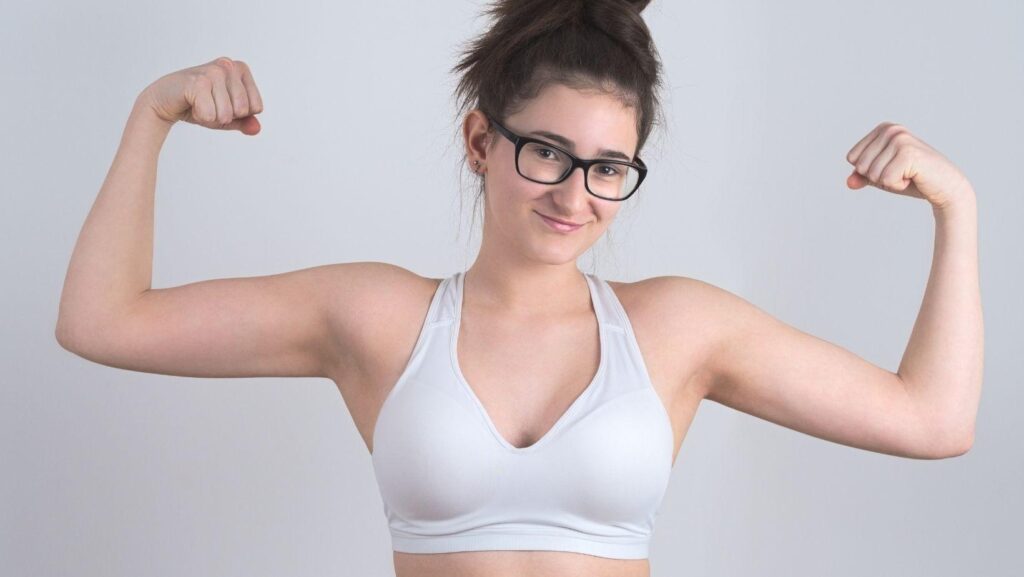
Every girl’s development timeline looks different, which makes the question of “when” surprisingly hard for parents to answer with confidence. There’s no single age or milestone that applies universally — some girls need more structured support by age ten, while others aren’t ready until well into their teenage years. Instead of focusing on a specific number, it helps to look at the practical and emotional signs that usually point toward the need for a teen bra.
Physical Signs
The most obvious cue is the onset of breast development, often referred to as thelarche, which typically begins somewhere between ages eight and thirteen, though the range varies widely. Once development starts, girls may notice tenderness, visible changes under clothing, or discomfort during physical activity like running or jumping. At this stage, a simple bralette or lightly structured option is usually enough — there’s rarely a need to jump straight to something with heavy padding or underwire.
As development progresses further, particularly once a girl is participating in sports, dance, or other high-movement activities, more supportive options become relevant. This is often when parents start looking specifically for a teen bra rather than a soft first-bra style, since the increased support and coverage better match a more developed body and a more active lifestyle.
Emotional and Social Signs
Physical readiness is only part of the picture. Many girls express interest in wearing a bra well before it’s strictly necessary from a support standpoint, often because friends are wearing them or because it feels like a marker of growing up. This social dimension shouldn’t be dismissed — feeling “behind” or different from peers can affect a child’s confidence, even if there’s no physical urgency yet.
On the other hand, some girls resist the idea entirely, especially if the process feels embarrassing or overly clinical. Watching for cues like pulling at shirts, layering extra clothing, or seeming self-conscious in fitted outfits can indicate a girl wants more coverage or support but hasn’t said so directly.
How to Approach the Conversation
Because this topic sits at the intersection of physical change and emotional sensitivity, how the conversation happens often matters as much as when it happens. A few practical approaches:
- Normalize it early. Mentioning bras casually before they’re strictly needed removes some of the pressure when the actual conversation happens.
- Let her lead when possible. If she brings it up first, that’s often the clearest signal that she’s ready — practically and emotionally.
- Prioritize comfort over style at first. A soft, simple option is usually more appropriate than something heavily structured, especially for a first purchase.
- Involve her in the choice. Bringing her along to pick styles, colors, or fit helps make the experience feel less clinical and more like a normal part of growing up.
Getting the Fit Right
One of the most common mistakes is sizing based on guesswork or hand-me-downs rather than an actual fit check. Bodies change quickly during these years, and a bra that fit well six months ago may no longer offer the right support or coverage. Many retailers now offer simple sizing quizzes or fit guides specifically designed for this age group, which can take much of the guesswork out of the process for parents who aren’t sure where to start.
Ultimately, there’s no perfect formula for knowing exactly when a girl needs her first teen bra — it’s a combination of physical development, comfort, and how she feels about the change. Paying attention to both the physical cues and the emotional ones, and keeping the conversation low-pressure, tends to make the transition easier for everyone involved.