
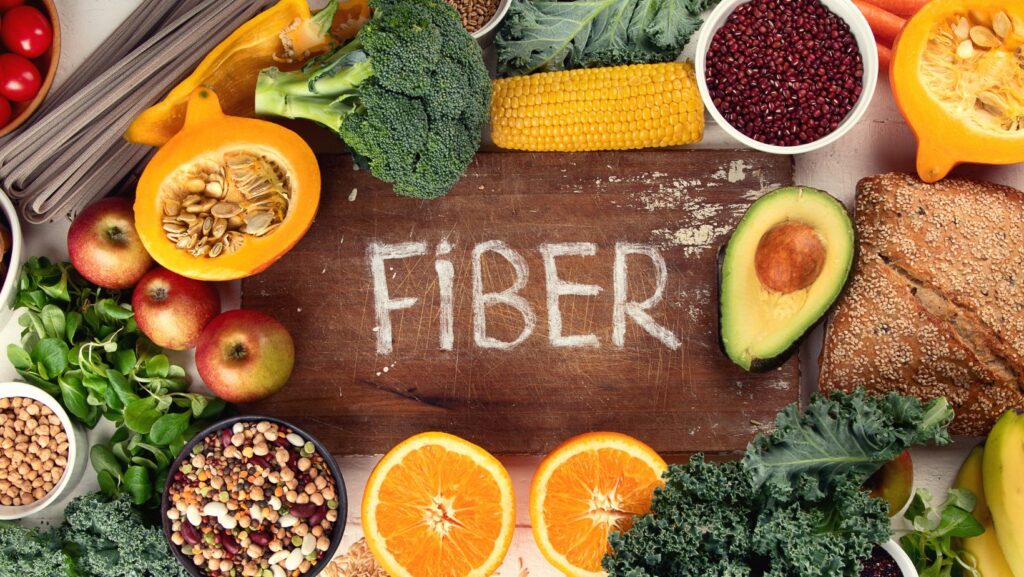
A growing body of science shows that what we eat doesn’t just nourish us — it also feeds the trillions of microorganisms that live in our digestive tract. Dietary fiber, the part of plant foods that your body can’t fully digest, plays a central role in shaping this internal ecosystem we call the gut microbiome. Unlike fats or sugars, dietary fiber moves through the small intestine largely intact, arriving in the colon where it becomes a vital energy source for specific gut bacteria.
Understanding how fiber interacts with the microbiome helps explain why a high-fiber diet is linked to improved digestion, immune function, and long-term health.
What the Gut Microbiome Does
Your gut microbiome is a complex community of bacteria, fungi, and other microbes that live predominantly in the large intestine. These organisms help break down food particles your own digestive enzymes can’t handle, synthesize certain vitamins, and communicate with your immune and nervous systems. Though we’re still learning how individual microbes contribute, overall microbial diversity — meaning a wide range of species present — is generally considered a hallmark of gut health.
A balanced microbiome supports bowel regularity, protects the gut lining, and helps manage inflammation. When the microbiome becomes imbalanced — for example, because of a diet low in plant foods — this can alter microbial activity in ways that may influence conditions such as obesity, metabolic syndrome, and digestive discomfort.
How Fiber Interacts With Gut Bacteria
Unlike many nutrients that are absorbed in the small intestine, fiber travels to the colon largely unchanged. Once there, certain microbes ferment it. This fermentation process is central to the relationship between dietary fiber and the microbiome.
Metabolites of fiber fermentation include short-chain fatty acids (SCFAs) — such as butyrate, propionate, and acetate — which have several beneficial effects. SCFAs serve as an energy source for colon cells, help maintain the integrity of the intestinal lining, and may reduce inflammation. These compounds can also influence systemic metabolism and immune responses beyond the gut.
Importantly, not all fiber is created equal, and understanding the connection between dietary fiber and gut health helps explain why both soluble and insoluble fiber play distinct but complementary roles in digestive wellness.
Prebiotic Effects and Microbial Diversity
Some types of fiber are classified as prebiotics. These are fibers that selectively feed beneficial bacteria such as Bifidobacterium and Lactobacillus, encouraging their growth and activity. When these microbes thrive, they produce metabolites that help keep the gut environment balanced and inhospitable to less desirable species.
A diet rich in diverse plant fibers — from legumes and whole grains to fruits and vegetables — provides a mix of substrates for different microbes. This supports microbial diversity, which is believed to be more beneficial for health than the dominance of just a few species. High microbial diversity has been linked with improvements in digestion, reduced inflammation, and potentially even enhanced metabolic health.
Practical Ways to Support Your Microbiome With Fiber
Supporting a healthy gut microbiome with diet doesn’t require drastic changes. Here are evidence-based strategies that fit into everyday eating:
- Choose a variety of plant foods. Different plant foods contain different types of fiber, so a colorful plate of fruits, vegetables, whole grains, nuts, and seeds boosts both soluble and insoluble fiber intake.
- Balance fiber with fluid intake. Fiber works best when paired with adequate water, which helps it move through the digestive tract and reduces the risk of discomfort as your body adapts.
- Introduce fiber gradually. If your current diet is low in fiber, increasing it slowly allows your microbiome to adjust without excess gas or bloating. Many people experience these symptoms when they add fiber too quickly.
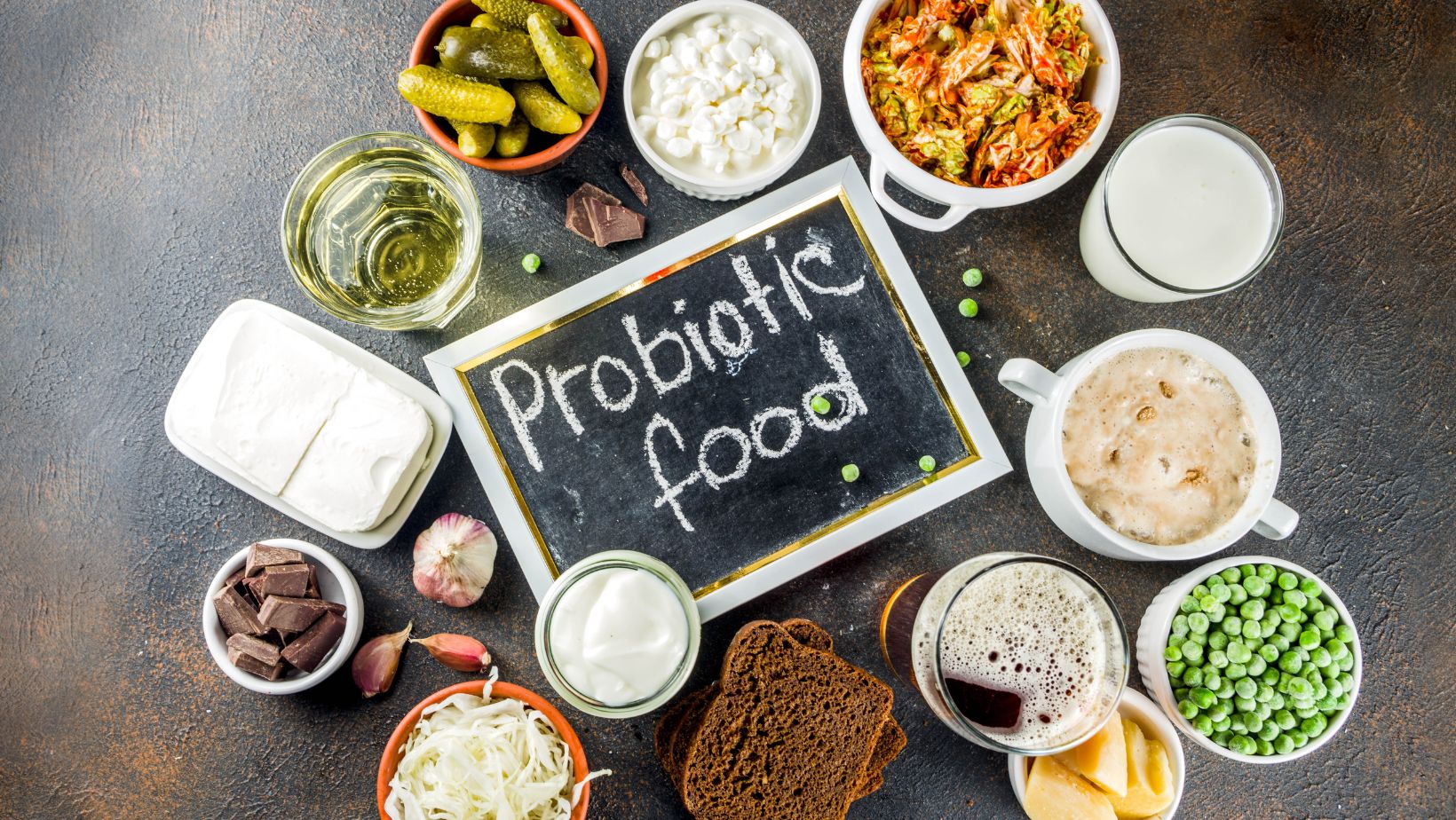
- Include fermented foods. While not a source of fiber, fermented foods like yogurt, kefir, and sauerkraut introduce live microbes that can complement fiber’s effects on the gut ecosystem.
Many fiber-rich foods do more than just feed microbes. For example, avocados provide both soluble and insoluble fiber and also contain healthy fats and micronutrients that support a balanced diet and digestive wellness. Exploring how these foods work within your eating patterns can help you build meals that support your overall well-being.
The Bigger Picture of Fiber and Health
The influence of dietary fiber on the gut microbiome has implications beyond digestion. Epidemiological studies show that higher fiber intake is associated with lower risks of chronic conditions such as cardiovascular disease, type 2 diabetes, and certain cancers. While more research is needed to understand how much of these benefits are mediated by the microbiome, current evidence suggests that a fiber-rich diet supports health in multiple interconnected ways.
By understanding how dietary fiber feeds and shapes the gut microbiome, you can make informed choices that support both digestive function and overall health. Rather than focusing on isolated nutrients, embracing a varied, plant-forward approach to eating remains one of the most practical strategies for long-term wellness.