Every other app now promises to fix your photos in seconds with artificial intelligence. Tap a button, wait a heartbeat, and — boom — your skin is smoothed, the sky is bluer, and your waistline apparently decided to cooperate. Sounds too good, right? Well, sometimes it is. The real question nobody seems to ask: does speed actually equal quality?
I’ve spent a fair amount of time testing both approaches, from fully automated filters to services where human editors handle the heavy lifting. One platform that caught my attention is https://retouchme.com/, a Ukrainian-born app where professional designers retouch your images — sometimes assisted by AI tools, but never replaced by them. That distinction matters more than most people realize.
Where AI Retouching Shines (and Where It Doesn’t)
Let’s be fair. AI-based editing has improved dramatically. Background removal, color correction, basic blemish fixes — algorithms handle these tasks with impressive consistency. For quick social media posts or casual snapshots, automated tools can be perfectly adequate. Fast, cheap, convenient.
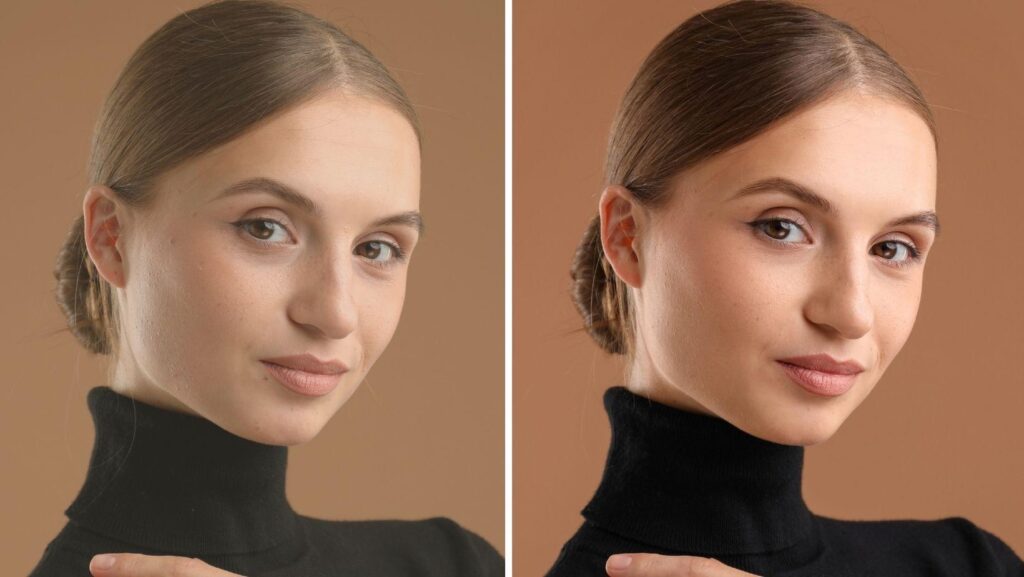
But here’s the catch. AI still struggles with nuance. It doesn’t understand that your grandmother’s laugh lines tell a story. It can’t judge whether a shadow on your jawline adds character or just looks unflattering. Algorithms follow patterns; they don’t interpret context. Ever noticed how AI sometimes makes skin look plastic? That uncanny-valley smoothness that screams “this was edited”? Honestly, I’d rather keep a few imperfections than look like a mannequin.
The Human Touch Still Wins on Detail
Manual retouching — done by a skilled editor — operates differently. A real person looks at your photo, considers lighting, composition, skin texture, and the overall mood before making adjustments. They know when to stop. That restraint is something no algorithm has mastered yet.
Services combining human expertise with AI assistance hit a sweet spot. The designer uses automated tools to accelerate routine steps, then applies creative judgment for everything else. You get speed without sacrificing subtlety. Think of it like a chef using a food processor for chopping but seasoning the dish by hand — the machine does grunt work, the artist makes decisions.
Practical Tips Before You Choose
Shoot in natural light whenever possible — even the best retoucher can’t rescue a photo taken in harsh fluorescent gloom
Keep your lens clean (seriously, a smudged camera lens ruins more photos than bad angles)
Don’t over-edit before sending photos to a professional — raw or lightly adjusted images give editors more flexibility
Ask yourself what you actually need: a quick filter or a thoughtful edit that preserves your natural look
The debate between AI and manual retouching isn’t really about choosing one forever. It’s about matching the tool to the task. For a passport photo or a quick listing image, automation works fine. For portraits that matter — a wedding, a professional headshot, a family milestone — human eyes and hands still deliver something algorithms can’t replicate. At least not yet. Maybe 2027 will surprise us, but for now, I’d bet on the designer every time.