
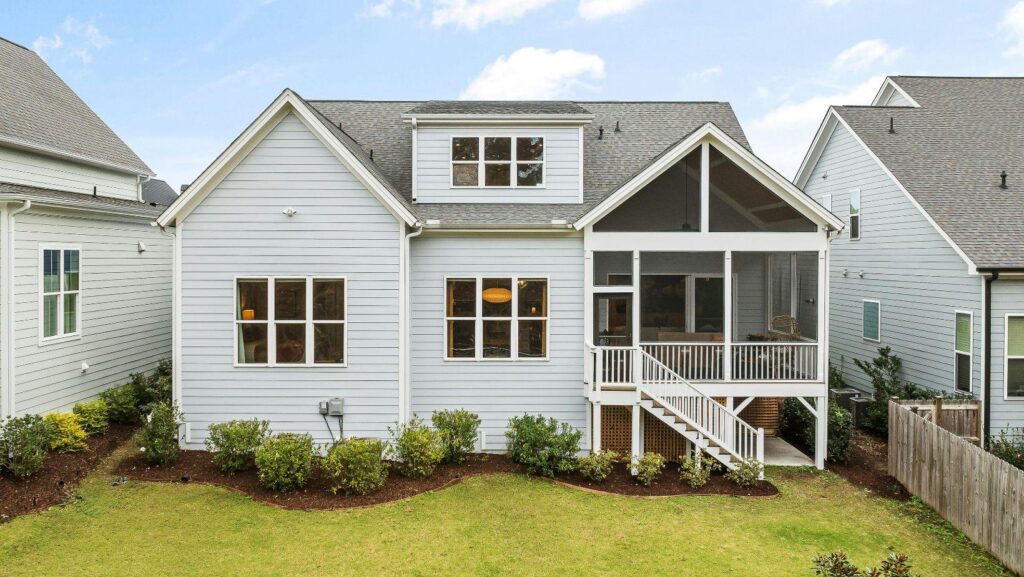
Exterior siding plays an important role in protecting a property while also contributing to its overall appearance. The right siding can help shield exterior walls from changing weather conditions, reduce maintenance needs, and complement the design of a building. Before installing new siding, property owners should consider the material, installation requirements, appearance, and long-term costs. Here are six things to know before starting an exterior siding project.
1. Consider the Siding Material
Choosing the right siding material is one of the most important decisions when planning an exterior renovation. Options can include vinyl, wood, composite, and metal siding, with each offering different characteristics in terms of durability, maintenance, appearance, and cost.
Metal siding can be considered for properties where durability and a modern exterior appearance are important factors. When comparing materials, property owners should think about the building’s location, how the exterior will be used, expected weather conditions, and the amount of maintenance they are prepared to handle.
2. Evaluate Durability and Weather Resistance
Exterior siding is exposed to rain, snow, wind, sunlight, moisture, and changing temperatures throughout the year. Choosing a material that can withstand the conditions around the property is therefore an important consideration.
Property owners should review how different siding materials respond to moisture, temperature changes, impact, and prolonged outdoor exposure. A durable exterior can help protect the underlying structure and reduce the need for frequent repairs or replacement.
3. Think About Maintenance Requirements
Different siding materials can have very different maintenance requirements. Some may need regular cleaning, painting, sealing, or repairs, while others may require less frequent upkeep.
Before choosing new siding, consider how much time and effort you want to spend maintaining the exterior. Understanding routine cleaning requirements and potential repairs can also help you estimate the long-term effort associated with each material.
4. Match the Siding to Your Property’s Design
Siding can have a significant effect on the appearance of a building. Colour, texture, profile, and finish can all influence how the exterior looks once the project is complete.
Consider how the siding will work with existing roofing, windows, doors, trim, and other architectural features. Selecting a style that complements the property’s design can create a more cohesive exterior without requiring changes to every other component.
5. Consider Installation and Existing Exterior Conditions
The condition of the existing exterior should be evaluated before new siding is installed. Damaged surfaces, moisture problems, deteriorated materials, or other underlying issues may need to be addressed first.
Installation requirements can also vary depending on the siding material. Proper preparation and installation can help ensure that the siding fits correctly and provides the intended level of protection.
6. Review Long-Term Value and Overall Costs
The initial cost of siding is only one part of the overall investment. Property owners should also consider installation expenses, maintenance requirements, expected lifespan, and potential repair costs.
Comparing these factors can provide a clearer picture of the long-term value of different siding options. A material with a higher initial cost may have different maintenance or durability characteristics than a less expensive alternative.
Planning Your Exterior Siding Installation
Installing new exterior siding involves more than choosing an attractive material. Property owners should consider durability, maintenance, design, installation requirements, and long-term costs before beginning the project. Taking time to evaluate these factors can help create an exterior siding plan that suits the property’s practical needs and appearance.