
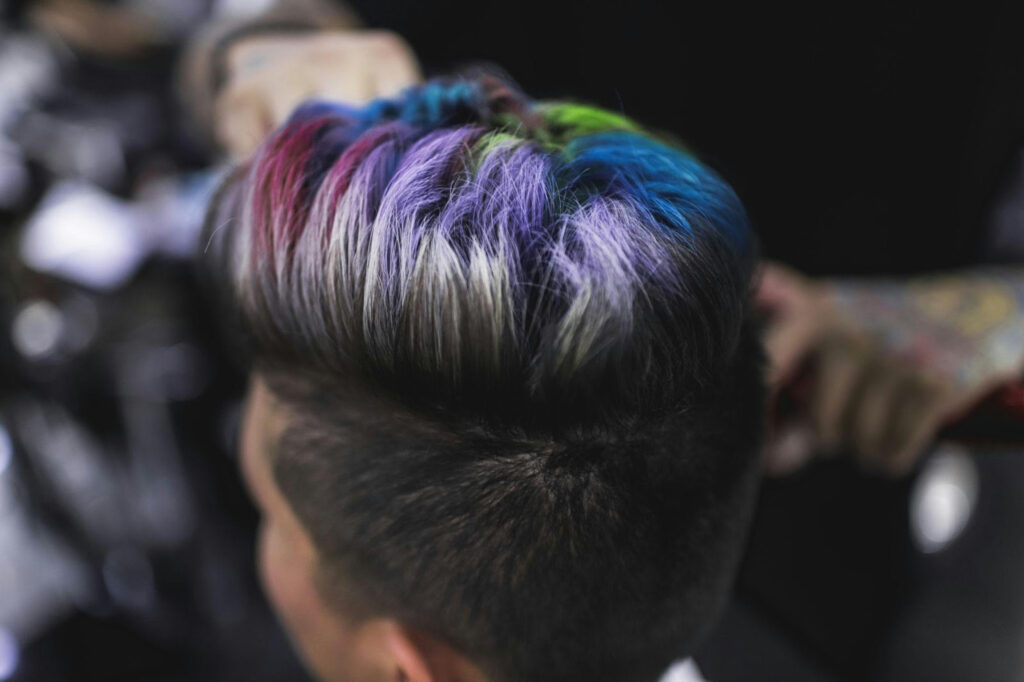
When you opt for salon coloring, the process looks easy. However, when you decide to color your hair at home, you start to see all the complexity of it. The challenge begins at the stage of choosing the right hair dye, as there are multiple options: permanent, semi-permanent, demi-permanent, and temporary. This article explains the differences in their longevity, application methods, and impact on strand condition so you can make a good decision.
Permanent Hair Dye
Permanent hair dye is the most durable option. It often lasts until new growth appears or the colored length is cut. Most often, it provides such a long-lasting effect due to the use of ammonia and developer, which penetrate the shaft and alter the natural pigment at a deep level. This process may be more stressful for the strands, but it gives you long-lasting color that won’t wash out easily.
Dryness and breakage are the most common concerns of having permanent dye applied to hair. Still, the negative impact can be minimized through the use of proper aftercare. Furthermore, regular conditioning treatments, heat protection, and trims are essential to keep strands healthy after permanent coloring.
Semi-Permanent Option
Unlike permanent products, semi-permanent hair dye coats the shaft rather than deeply penetrating it. It is a much safer and gentler option, especially when opting for high-quality labels. For instance, Arctic Fox provides semi-permanent formulas entirely free from:
- ammonia;
- peroxide;
- PPD (paraphenylenediamine).
Instead, such dye variants often have conditioning properties, and many formulas are enriched with nourishing ingredients like aloe vera or natural oils. While it sounds great in terms of the impact on health, semi-permanent dye has one obvious drawback. It typically lasts 4–8 washes and fades gradually.
Why use it then? It is perfect for bold experiments, temporary looks, or refreshing faded tones. Moreover, those with fragile or damaged hair who do not want to do more harm with permanent products can use this type. As a result, they will get a style refresh without compromising overall condition.
Demi-Permanent Hair Dye
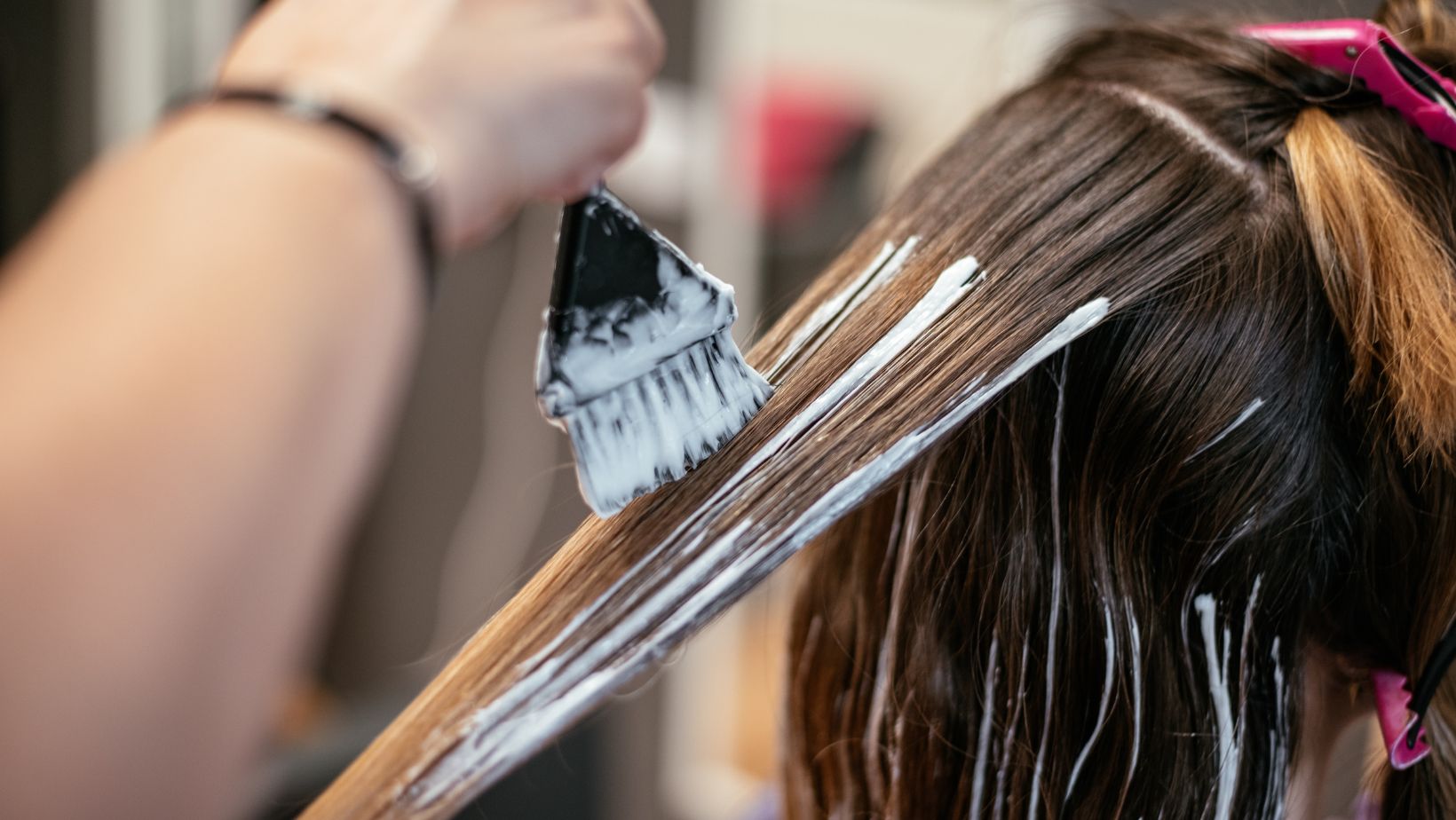
This type is somewhere in between semi-permanent and permanent options. It typically lasts for 20–28 washes. The application involves a low-volume developer, which deposits pigment without fully penetrating the shaft. Consequently, demi-permanent dyes are less damaging than permanent ones. They are ideal for enhancing natural tones, blending away early grays, or adding depth and richness.
Unfortunately, it does not offer a wide range of vivid and bright tones. Manufacturers stick to more traditional, even classic, shades. Thus, it is not fully suitable for bold experiments. Still, demi-permanent dye is good for slight changes in style and look.
Temporary Hair Color
This type is basically a one-time option, as it washes out after just 1–2 shampoos. So, it is perfect when a short transformation is needed. It is often used for festivals and parties when a bold look is a part of the outfit.
Such products do not penetrate the hair shaft at all. They just sit on the surface and can be easily washed out. Because they don’t alter the structure, temporary color causes no damage. However, it doesn’t mean you can use it very often, as repeated application may lead to dryness, especially if you do not use any professional protective products.
Different brands offer different ways of application. So, you can find temporary dyes in sprays, chalks, or gels and select which is the most convenient for you. Arctic Fox fits into this category for those formulas and vibrant shades.
The hair dye market offers products for almost any occasion. Each type comes with its pros and cons. You will not find a completely harmless option that sits on hair for a long time, so decide which method to choose based on why you need it.