
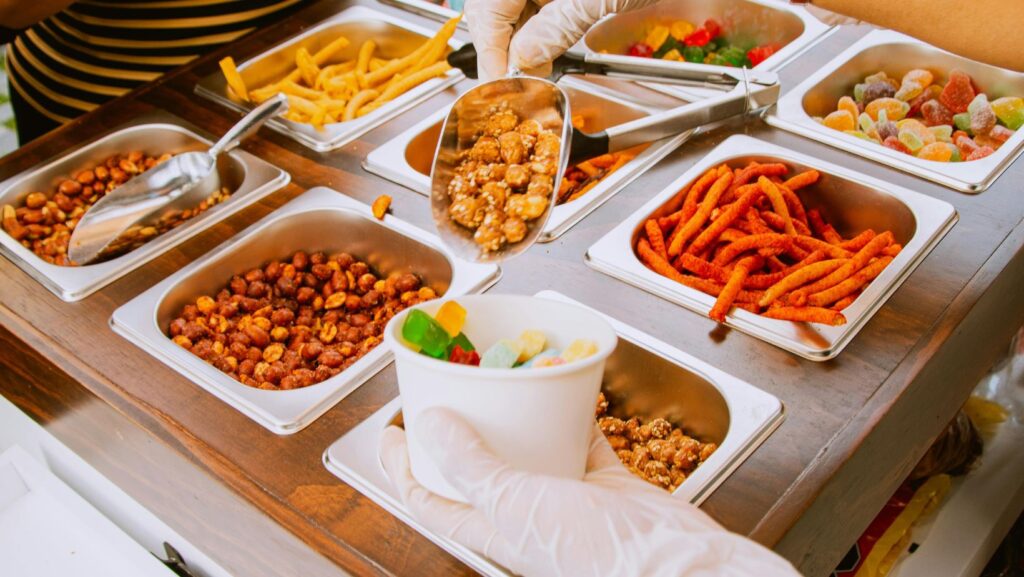
National Snack Food Month offers an opportunity to examine the foods Americans reach for between meals and what those choices say about modern eating habits. Snacking has become a routine part of daily life across the country, influenced by busy schedules, evolving nutritional awareness, and easy access to food at all hours.
While many snacks are purchased ready to eat, a growing portion are prepared or portioned at home, where factors like ingredients, preparation methods, and tools like ceramic cookware shape everyday decisions. Understanding popular snacks provides insight into how taste, convenience, and health intersect in American households.
Why Snack Foods Play a Role in American Eating Habits
Snacks serve multiple roles in the American diet, from bridging the gap between meals to providing quick energy during long workdays. For many households, snacking is no longer limited to indulgent treats and now includes foods chosen for their nutritional value.
The rise of flexible eating schedules has contributed to this shift, with fewer people adhering to three meals per day. Instead, smaller, more frequent eating moments have become common, especially among working adults and students.
Cultural norms also influence snack habits. Sporting events, road trips, school lunches, and workplace breaks are often associated with specific snack foods that have become familiar nationwide.
Over time, these foods have moved from occasional treats to regular staples. As a result, snack consumption is shaped as much by routine and environment as by hunger itself, making it an important area of focus during National Snack Food Month.
Popular Snack Categories Across the United States
American snack preferences span a wide range of categories, reflecting regional tastes and national trends. Salty snacks, such as chips, crackers, and popcorn, remain widely consumed due to their long shelf life and convenience.
Sweet snacks, including cookies, snack cakes, and chocolate-based items, also continue to be popular, especially as comfort foods. At the same time, there has been steady growth in snacks positioned as better-for-you options, such as yogurt cups, nuts, protein bars, and cut fruit.
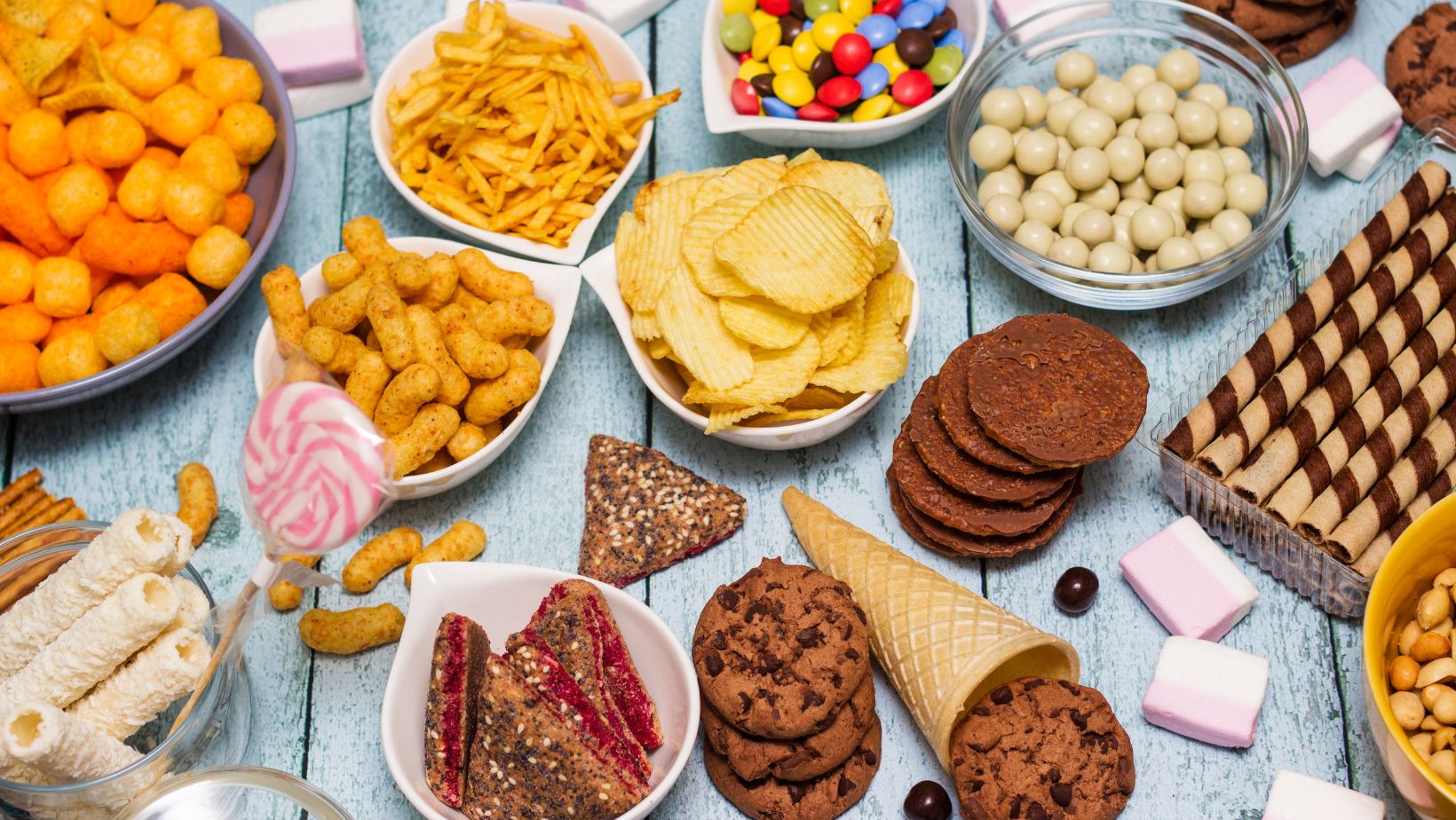
Regional influence still plays a role, with certain snacks closely tied to local traditions or agricultural products. However, national distribution and online shopping have reduced regional barriers, making most snack types accessible across the country. This accessibility has encouraged experimentation and variety, allowing households to rotate between indulgent and nutrient-focused options depending on occasion and preference.
How Home Preparation Influences Snack Choices
While packaged snacks dominate store shelves, home-prepared snacks have gained attention among those looking to manage ingredients and portion sizes more closely. Preparing snacks at home allows greater control over added sugars, sodium, and fats, which aligns with broader public interest in balanced eating. Simple preparations, such as roasted nuts, baked vegetable chips, or homemade granola bars, have become common alternatives to store-bought versions.
The tools used in home kitchens can influence how often these snacks are prepared. Cookware that supports even heating and straightforward cleanup can make snack preparation more approachable, especially for those with limited time. As a result, the boundary between cooking and snacking continues to blur, with snacks increasingly viewed as small, intentional meals rather than afterthoughts.
Snack Trends Reflecting Changing Priorities
Recent snack trends highlight shifting priorities among consumers. Transparency around ingredients has become more important, leading to increased demand for snacks with recognizable components and minimal processing. Portion awareness has also gained attention, with many consumers seeking individually sized snacks to support mindful eating rather than unrestricted consumption.
Another noticeable trend is the blending of convenience with nutrition. Snacks that combine protein, fiber, or whole-food ingredients with portability appeal to people managing busy schedules. This trend reflects a broader understanding that snacks can contribute meaningfully to daily nutrient intake rather than serving only as empty calories.
How Snacking Fits Into Daily Routines
Snacking patterns often align closely with daily routines, including work hours, commuting time, and family schedules. Morning snacks may focus on energy and satiety, while afternoon snacks often address fatigue or hunger before dinner.
Evening snacks are commonly associated with relaxation or social activities. These patterns demonstrate that snack choices are influenced by nutritional needs as well as timing and context.
Households with children may prioritize snacks that are easy to pack and eat on the go, while adults working from home may lean toward snacks that require minimal prep. Across these scenarios, snacks serve as functional tools that help maintain energy levels and prevent long gaps between meals.
Celebrating Snacks With Everyday Intention
National Snack Food Month underscores how deeply snacks are woven into daily life across the United States. From store-bought classics to simple homemade options, snacks reflect changing tastes, schedules, and priorities. By understanding why certain snacks remain popular and how preparation choices influence consumption, it is easier to approach snacking with intention.