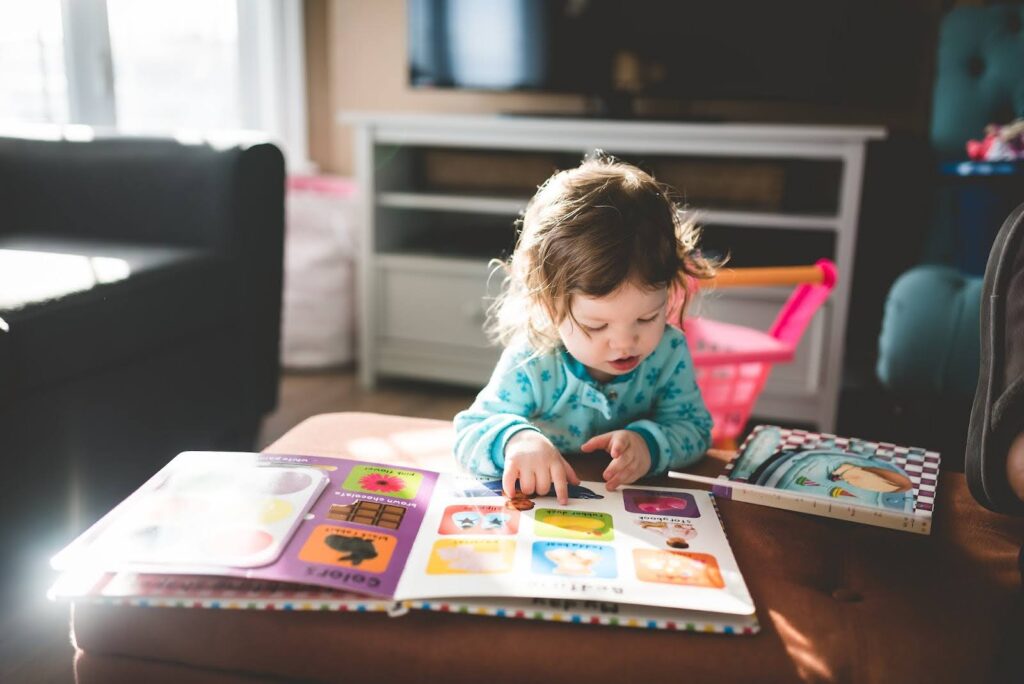
Independent play is one of the most valuable gifts we can give our children. It encourages creativity, strengthens problem-solving skills, builds patience, and helps kids learn how to entertain themselves without constant direction. For parents, it can also bring moments of much-needed breathing space while still supporting healthy development. Children naturally want to explore the world around them, but they also rely on us as their guides.
Striking a balance between freedom and safety allows them to build confidence while still having the security they need. Independent play is the perfect bridge between those two worlds—giving children space to try, fail, imagine, and grow. This kind of play doesn’t happen overnight. It develops gradually and requires nurturing, consistency, and the right environment. When parents understand how to support independent play, the results can be transformative for the whole family. Kids become more capable, more imaginative, and more self-assured. Parents, in turn, see a boost in their child’s resilience, curiosity, and ability to focus.
Why Independent Play Matters
Independent play isn’t just about keeping a child busy. It plays a significant role in cognitive, emotional, and social development:
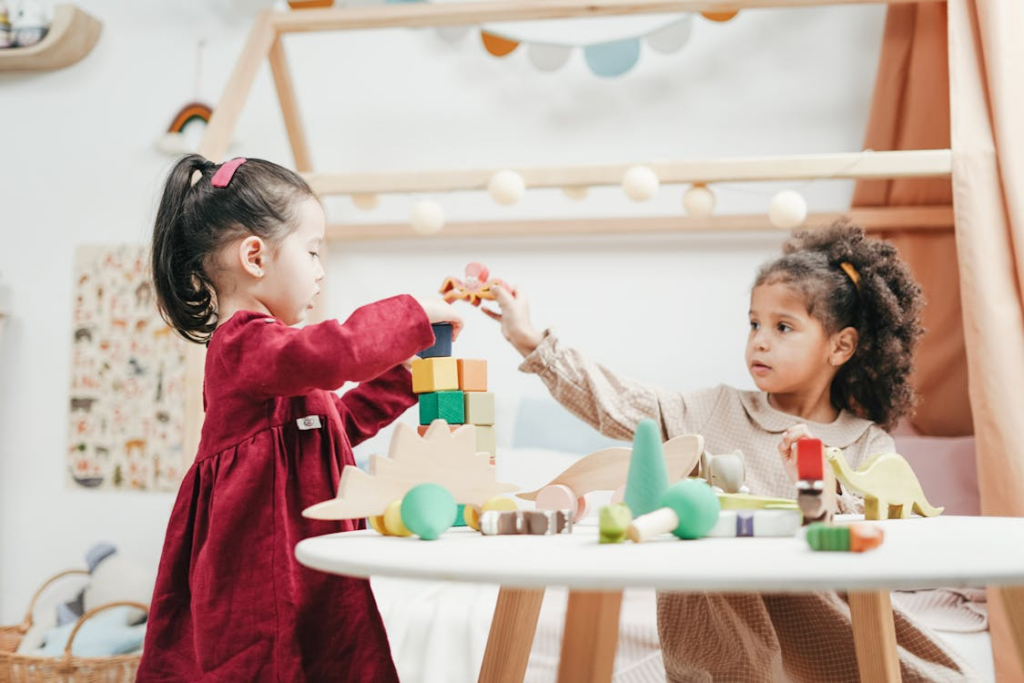
- It builds problem-solving skills: When kids play on their own, they make decisions without an adult stepping in. They figure out how to stack blocks, which puzzle piece fits, or how to build a tower that doesn’t fall. Every decision strengthens cognitive growth.
- It supports imagination and creativity: Without constant direction, children invent their own stories, characters, and worlds. Imaginative play helps them develop flexible thinking, strong communication skills, and emotional expression.
- It builds patience and frustration tolerance: When a child struggles through a challenge—like a tower falling or a toy not working the way they want—they learn how to handle frustration without giving up.
- It boosts confidence: Mastering tasks on their own helps kids feel capable. Confidence built through play carries into school, friendships, and other daily experiences.
- It encourages focus: Independent play helps strengthen attention span. The ability to stay with an activity without adult prompting prepares children for future learning environments.
These benefits are powerful and lasting. By giving kids space to explore, we help them grow into more capable, confident individuals.
Creating the Right Environment for Independent Play
Children play best in spaces that feel safe, engaging, and open-ended. Parents can create environments that naturally encourage exploration and creativity.
Start with simple toys.
Open-ended toys—like wooden blocks, stacking cups, dolls, building sets, and pretend-play accessories—are ideal for independent play. These toys don’t have one “right” way for kids to use them, which encourages creativity and problem-solving.
Remove unnecessary distractions.
Too many toys can overwhelm children and make it hard for them to focus. A simple, organized space helps them feel calm and able to concentrate.
Rotate toys to keep things fresh.
Toy rotation keeps children interested and prevents boredom. When toys reappear after a break, they feel new again, sparking fresh creativity.
Set up safe play zones.
Play spaces should be child-safe so kids can explore freely without a parent hovering constantly. This may include soft floors, reachable shelves, and child-proofed areas.
Offer materials that spark imagination
Art supplies, play food, wooden figures, natural materials, and dress-up items can give kids new ways to express themselves. Children thrive when they feel supported yet free. The right environment lets them experiment without fear.
How to Introduce Independent Play in Daily Life
If your child is not used to playing alone, the transition should be gentle. A supportive approach helps build trust and confidence.
- Start with short stretches of time.
Begin with 5–10 minutes of independent play while you stay nearby. As your child becomes more comfortable, gradually increase the time.
- Use a “play invitation.”
A play invitation is a simple setup—for example:
- A few blocks arranged in a pattern
- A puzzle with the first piece placed
- A small scene set up with animals or dolls
This sparks curiosity and helps a child begin playing without needing instructions.
- Stay present without directing.
Sit near your child, doing your own task. This tells them you’re available but not leading their play. Over time, you can move farther away.
- Celebrate accomplishments.
When your child solves a problem or creates something on their own, show interest. “Tell me about what you built!” encourages pride without taking over the experience.
- Avoid interrupting their play flow.
When a child is intensely focused, resist the urge to comment or correct. Interruptions can break creativity and concentration.
Independent play grows slowly but steadily when children know they can rely on your support while exploring on their own.
Supporting Safe Exploration as Children Get Older
As kids grow, independent play evolves into independent exploration—playing in the yard, visiting a neighbor, riding a bike down the block, or going to an activity. With these new adventures come new safety considerations. Parents often want to offer freedom while still ensuring their child is safe and reachable. This is where communication tools made specifically for kids can help bridge the gap. Some families use simple kid-safe devices so children can check in without being exposed to the internet or distracting apps. When your child begins outdoor adventures or more extended playtime away from home, something like a smart watch for kids can offer peace of mind. These tools don’t replace supervision but to support gradual independence. They allow kids to feel trusted while still giving parents a sense of security.
Helping Your Child Build Lifelong Confidence
Independent play is not just a childhood skill—it becomes the foundation for lifelong confidence, creativity, and emotional resilience. It teaches children that they are capable, strong, and able to rely on themselves. These lessons carry into school, friendships, and eventually adulthood. By offering structure, safe opportunities, and tools that support independence, parents help their children grow into confident problem-solvers who trust their own abilities.
The journey begins with simple toys, a supportive environment, and a few minutes each day. Over time, those minutes grow into full moments of exploration, imagination, and joy—moments that help shape strong, capable, and self-assured children.