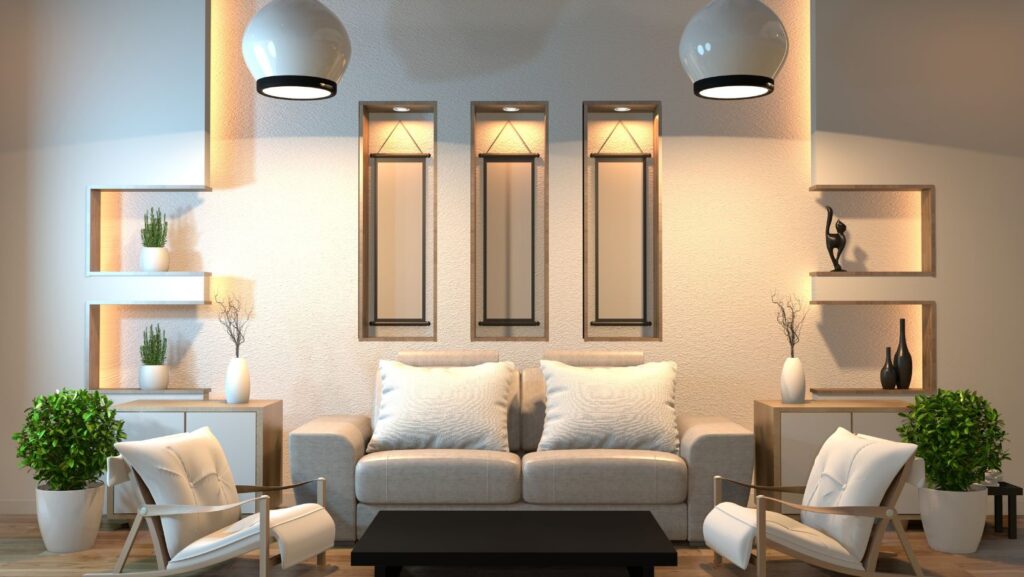
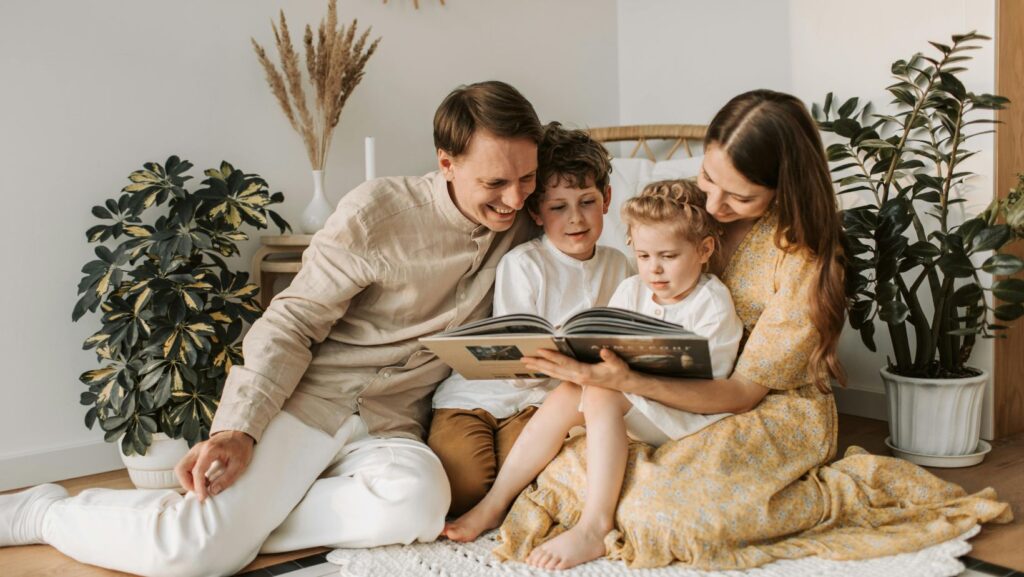
Creating a peaceful home isn’t about grand renovations or lifestyle overhauls. It often comes down to the quiet choices families make each day, how they use their space, the habits they reinforce, and the small environmental shifts that invite calm instead of chaos. A home becomes a haven when it supports connection, comfort, and clarity, even when life feels busy or unpredictable.
For many parents, the journey toward a calmer household begins with noticing what feels off. Maybe mornings feel rushed, the living room feels cluttered, or the backyard, once a refuge, now brings its own set of frustrations. Minor adjustments can turn those friction points into opportunities for more ease, more presence, and more joy.
The Emotional Weight of the Spaces We Live In
Parents often talk about the invisible emotional temperature inside their home, the feeling that lingers long after they finish chores and the noise settles. When a space feels heavy or overstimulating, it can affect everyone, including children who may not yet have the language to describe it.
The physical environment plays a significant role in this. A cluttered room can heighten anxiety; a chaotic morning routine can set the tone for the entire day. Conversely, a well-organized entryway, a quiet corner for unwinding, or a predictable rhythm can encourage calm and cooperation. Families don’t need a perfect house; they need an intentional one.
Outdoor Harmony: Creating a Safe, Calming Space Beyond the Front Door
For many families, the backyard is an escape, a place where kids play, parents breathe, and everyone briefly steps outside the demands of the day. But that space only supports peace if it feels safe, well-kept, and protected. When wildlife begins wandering into the yard or garden, it can disrupt that sense of ease and even add stress to daily routines.
Simple, thoughtful changes can restore balance. Families often experiment with lighting, fencing, or natural barriers to protect their outdoor spaces, especially when little ones are running around or when a garden becomes a treasured project.
These types of solutions not only preserve the landscape but also allow families to reclaim their yard as a calming extension of their home. When the outdoor environment feels tended to, the indoor atmosphere often follows.
Decluttering With Purpose: Lightening the Load Inside the Home
A cluttered space doesn’t just take up physical room; it occupies mental space, too. Parents often underestimate how much stress stems from constantly managing belongings, navigating piles, or searching for misplaced items. Tidying up is less about perfection and more about reducing the everyday friction that disrupts family flow.
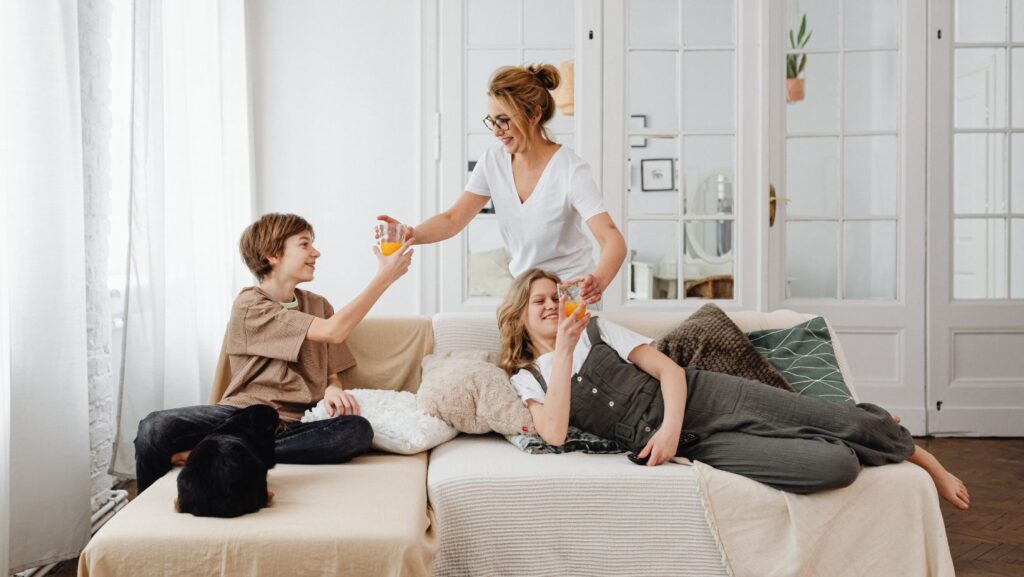
One of the most effective lifestyle shifts is simplifying what stays inside and making strategic decisions about what can live elsewhere. For many families, this includes leaning on practical external storage, especially during life transitions like welcoming new children, shifting rooms around, or downsizing.
In moments like these, parents often find themselves wondering about how to pick a storage option that actually fits their family’s needs, especially when they want something secure, affordable, and easy to manage.
A little extra breathing room inside the home can have a surprisingly significant impact on how calm and spacious life feels each day.
Building Routines That Anchor the Household
Lifestyle shifts inside the home don’t always revolve around redesigning spaces; sometimes they focus on redesigning rhythms. Predictable routines create emotional steadiness for children and relieve the cognitive load on parents.
Even minor adjustments make a difference:
- Setting up five-minute reset rituals before transitions
- Establishing consistent morning and bedtime anchors
- Introducing simple visual cues for younger kids
When routines are clear and when parents aren’t constantly reinventing the day, children often feel more grounded. Families start moving more as a unit and less like everyone is running separate races.
The Power of Micro-Moments: Choosing Connection Over Perfection
Peaceful homes don’t come from perfect days. Parents build them with small decisions in the middle of imperfect ones. Micro-moments of connection, a shared laugh after a tense moment, a snack enjoyed together at the counter, a few minutes of reading before bed, anchor family relationships more than sweeping gestures ever could.
Parents sometimes feel pressure to “fix” everything at once, but homes evolve through steady, intentional shifts. A calmer response during an argument, choosing curiosity over frustration, or offering reassurance instead of instruction can shift the emotional tone of an entire evening.
Designing Spaces That Reflect the Family’s Values
A haven-like home doesn’t have to be picture-perfect; it simply needs to reflect what matters most to the people inside it. Some families carve out creative corners for art or music. Others prioritize outdoor play, making the backyard an extension of the living room. Some choose quiet minimalism; others embrace warmth, texture, and personal history.
The goal is alignment, not aesthetic trends. When the home feels like an authentic reflection of the family’s identity, everyone tends to feel more at ease.
Creating Boundaries That Support Peace
Just as emotional boundaries foster healthy relationships, physical boundaries inside the home support clarity and calm. Kids benefit from knowing which spaces are for rest, which are for play, and which belongings deserve more mindful care.
Parents, too, need boundaries, around work, around technology, around overstimulation. When families create gentle rules that promote balance, like device-free dinners or dedicated quiet hours, the entire household benefits.
Boundaries don’t limit freedom; they create structure that protects it.
The Subtle Art of Resetting the Home Environment
Every home drifts into disorder at times. Families get busy, schedules tighten, and tension rises. But homes also have an incredible ability to “reset” when small, consistent habits are in place.
These resets may look like:
- A five-minute evening tidy to restore common areas
- Opening windows to welcome fresh air and a calmer energy
- Re-evaluating routines every few months as kids grow
- Updating storage systems to match the family’s current lifestyle
A peaceful home isn’t stagnant; it adapts gracefully along with the people who live in it.
Honoring the Seasons of Family Life
Every household goes through seasons, chaotic ones, quiet ones, joyful ones, and stretching ones. A peaceful home acknowledges these shifts and adjusts accordingly. During busier seasons, families might rely more on organization and external support. During slower seasons, they may emphasize connection, creativity, or rest.
When homes are allowed to evolve rather than remain rigid, families experience less pressure and more presence.
When Peace Feels Personal: Listening to What the Home Is Telling You
Parents often sense when their home is craving change. Maybe there’s tension in shared spaces, or mornings feel rushed, or outdoor areas no longer bring joy. These cues aren’t indicators of failure; they’re invitations.
Listening to those signals allows families to make minor, intentional adjustments that ripple across the entire household. Sometimes the change is practical, like addressing a yard issue or reorganizing a closet. Other times it’s emotional, like shifting family communication or adjusting expectations.
Homes speak. Peace comes when families pay attention.
Conclusion: The Haven Is Already There, You’re Just Revealing It
You can’t build a peaceful home overnight. It unfolds through mindful choices, steady habits, and the understanding that families are constantly growing, learning, and adjusting.
When parents approach their home with curiosity rather than urgency, they uncover what already exists beneath the noise: a space capable of holding joy, connection, and rest. A haven doesn’t require perfection. It requires presence.
The small lifestyle shifts you make today inside your home, around your routines, and within your outdoor spaces, quietly begin reshaping tomorrow. And as the home becomes calmer, so does the family living inside it.