Style begins earlier than we think. Long before school uniforms or teenage rebellion, children start absorbing what it feels like to exist in fabric and colour. They notice texture before taste, comfort before concept. The clothes they wear shape how they move, how they see the world, and what they come to expect from it.
Parents like to think we’re teaching them independence. But in truth, we’re teaching them aesthetics. One folded sweater at a time.
What we dress them in says something about how we want them to feel. Calm. Safe. At ease in their own skin.
Clothing as Quiet Design
When you decorate a child’s room, you think in terms of balance. Enough toys to invite play, enough emptiness to leave space for thought. The same principle applies to what they wear. You’re creating visual harmony around a small person who’s still learning what comfort means.
Most children’s clothes are designed for attention. Bold prints, glitter, slogans that read like noise. But some brands reject that chaos in favour of quiet. They design from the idea that simplicity is an act of respect. That children deserve calm surroundings, not just colourful ones.
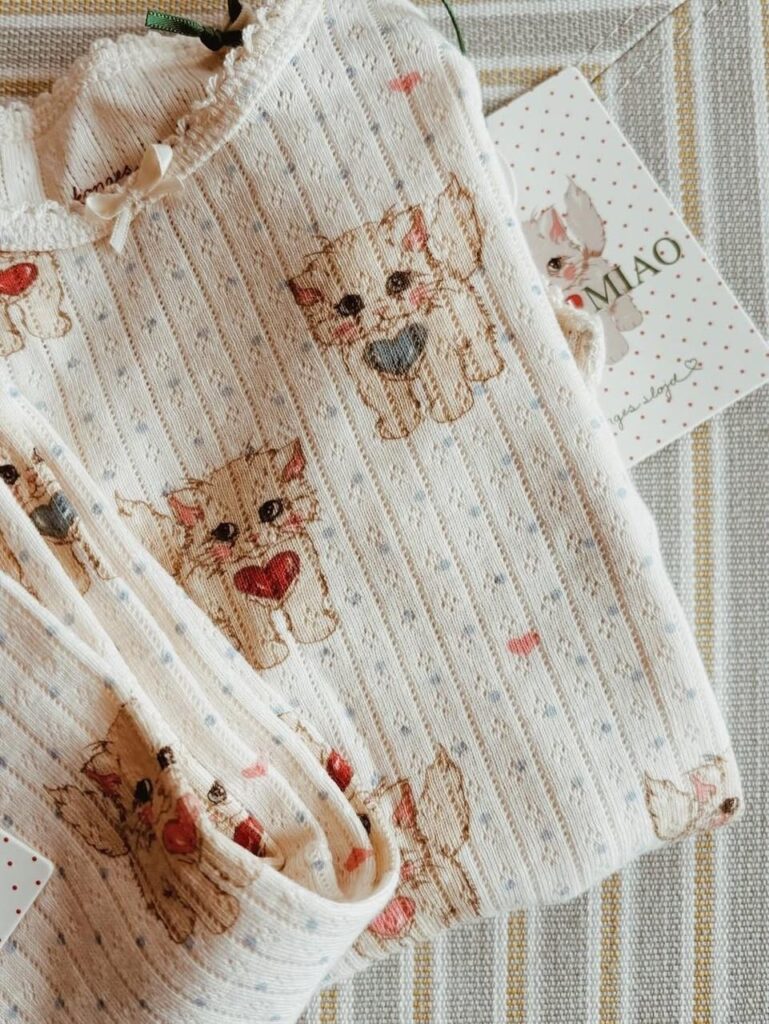
Konges Sløjd has mastered that language. Soft fabrics, muted tones, practical cuts that look effortless. It’s not about restraint; it’s about rhythm. You can discover the beauty of Konges Sløjd kidswear and see how a Danish eye for design becomes a form of care rather than trend.
When Aesthetic Becomes Emotion
There’s a subtle power in matching your child’s world to your own. Not in an aspirational way, but in an atmospheric one. The same calm you want in your home (the neutral palette, the natural light, the quiet rhythm of mornings) translates into what they wear.
Clothes become continuity. They connect the home’s visual tone to the body’s daily experience. The textures you love (a linen napkin, a wool throw, a soft sweater) become theirs too.
Children learn comfort through repetition. Through the familiar feel of a cotton collar. Through the smell of fabric dried in the sun. Through the predictability of soft, well-made things. This is how they build trust in their environment. How they learn calm before they can name it.
Style That Teaches More Than Looks
A small child doesn’t think about looking good. They think about feeling free. The best clothes let them move, breathe, explore.
Minimalist kidswear doesn’t limit expression; it clears the noise so personality can exist in motion, not decoration. A child in a simple cotton dress or neutral jumper stands out for who they are, not what they wear.
Style, when done right, teaches discernment. It shows that beauty doesn’t have to shout. That colour works best when it belongs. That detail matters only when it serves.
These lessons last longer than the clothes themselves. They grow into taste, self-awareness, even empathy. Understanding proportion starts with how we learn to see.
The Myth of Colour Equals Joy
The parenting industry loves the idea that bright means happy. Rooms painted in highlighter tones, clothes covered in cartoons, toys that buzz and blink.
But children don’t need that kind of energy. They already have their own. Soft tones and simple prints aren’t robbing them of joy; they’re giving it context. Colour still exists, it just breathes. It doesn’t compete. The result is presence instead of distraction.
The Parental Mirror
Parents often find themselves dressing their children the way they wish they could dress themselves: comfortable, clean, honest. No pretense, no status games. Just form following function.
There’s something grounding in that. Choosing simple, quality pieces for a child is an act of projection, yes, but also one of care. It’s creating a small world where nothing fights for attention. Where beauty exists because it feels right, not because it performs.
And in that process, parents often rediscover their own relationship with style. You start editing your own closet. You realize that softness and simplicity are not signs of neglect. They’re signs of enough.
How Small Choices Become Memory
Every parent has one photograph of their child in an outfit that feels timeless. Not trendy, not staged, just true. A sweater slightly too big. A pattern that still looks right years later. Those are the images that last because they capture comfort, not costume.
Children don’t remember the price tags. They remember the feeling. The warm jumper after rain. The cotton tee that smelled faintly of detergent and air. The clothes become part of their sensory memory, the texture of home itself.
That’s the quiet reward of thoughtful dressing. You’re not buying identity; you’re building association. Years from now, they won’t recall the brand name, but they’ll remember that life felt soft.
The Case for Calm in a Loud World
We live in a culture obsessed with speed and noise. Even childhood isn’t spared. Toys that talk, clothes that sparkle, activities scheduled to the minute. Calm is radical now.
Choosing subtle, well-made clothing for your kids is not a style flex. It’s an act of slowing down. It’s choosing attention over automation. It’s proof that not every decision has to be loud to be meaningful.
When your child moves through the day unbothered by itchy seams or clashing prints, they learn ease. When they’re surrounded by tones that blend instead of clash, they learn visual balance.
Beyond the Outfit
The way you dress your child isn’t isolated. It’s part of the environment you create, the way mornings unfold, the rituals that repeat, the air of the home itself.
Good design in kidswear reminds parents of what matters: softness, light, space, repetition. The unremarkable moments that become architecture for memory.
Small Lessons in Big Worlds
When a child learns to choose their own clothes, they reveal what they’ve absorbed. A preference for softness. For ease. For subtle patterns that make sense together. That’s not a coincidence; it’s conditioning by care.
The way we dress them early becomes the way they dress themselves later. Not in brand loyalty, but in philosophy. They learn that comfort isn’t laziness, that beauty isn’t spectacle, that simplicity can hold depth.
Full Circle
Parenting is repetition. Fold, wash, repeat. But inside those routines is design, intention, love expressed in the texture of everyday things.
When you choose what your child wears, you’re setting the tone for their sense of belonging. You’re teaching them to move through life with quiet confidence.
The best kidswear doesn’t perform. It participates. It grows with them. It feels like home.
And maybe that’s the truest definition of style.