
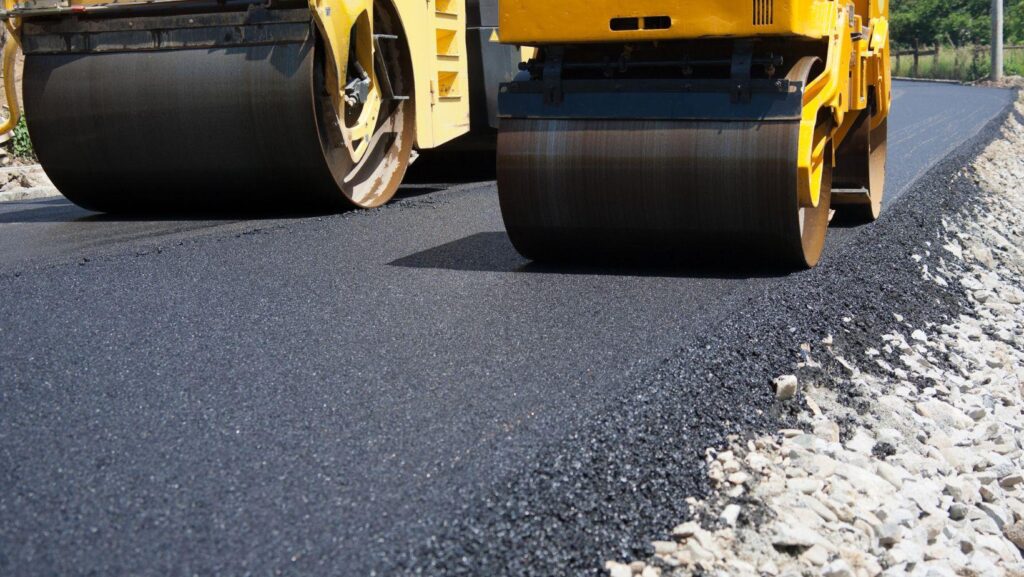
Asphalt paving can be a practical way to improve driveways, parking areas, pathways, and other paved surfaces. However, the total cost of an asphalt paving project can vary depending on several factors. Understanding what influences pricing can help property owners create a more realistic budget and avoid unexpected expenses. Here are five common factors that can affect asphalt paving costs.
1. Size and Scope of the Paving Project
The size of a paving project is one of the first things to consider when estimating its overall cost. Larger areas generally require more asphalt, labour, equipment, and preparation, while smaller projects may require fewer resources. A residential driveway, for example, will have different requirements from a large commercial parking area.
When researching the typical cost of asphalt paving, it is helpful to look beyond the size of the surface itself. The overall scope may also include removing an existing surface, preparing the base, grading the area, or addressing drainage concerns. Considering these requirements can provide a more realistic picture of what a paving project may involve.
2. Site Preparation and Existing Surface Conditions
The condition of the existing surface can have a significant effect on paving costs. Before new asphalt can be installed, the area may need to be cleared, excavated, graded, or repaired.
If existing asphalt is badly cracked or damaged, it may need to be removed before a new surface can be installed. Problems such as unstable soil, poor drainage, or an inadequate base can also require additional preparation. A property that needs extensive groundwork may therefore have different costs from one that is already properly prepared.
3. Asphalt Material and Thickness
The materials used for a paving project can also influence the final price. Different applications may require different asphalt specifications and pavement thicknesses depending on how the surface will be used.
For example, an area that regularly supports heavier vehicles may require a different pavement structure than a residential driveway. Selecting materials and thicknesses that match the intended use can help property owners plan appropriately while considering both immediate costs and long-term maintenance needs.
4. Labour, Equipment, and Project Accessibility
Asphalt paving requires specialized equipment and skilled labour, and the characteristics of the property can affect how easily the work can be completed.
Narrow entrances, steep slopes, limited working areas, and obstacles around the site may require additional planning or equipment. Difficult access can also increase the time needed to prepare and pave the area. These factors can contribute to differences in the overall project estimate.
5. Drainage, Edging, and Additional Features
Additional improvements can also contribute to asphalt paving costs. Depending on the property, a project may require drainage solutions, curbs, edging, transitions, or other supporting features.
Proper drainage is especially important because standing water can contribute to deterioration of an asphalt surface. Addressing drainage and other site requirements as part of the project can help create a more durable and functional paved area.
Planning Your Asphalt Paving Budget
The cost of asphalt paving depends on more than the price of the asphalt itself. Project size, site preparation, material requirements, labour, accessibility, drainage, and additional features can all influence the final estimate. By considering these factors and assessing the complete scope of the work, property owners can develop a more realistic paving budget.